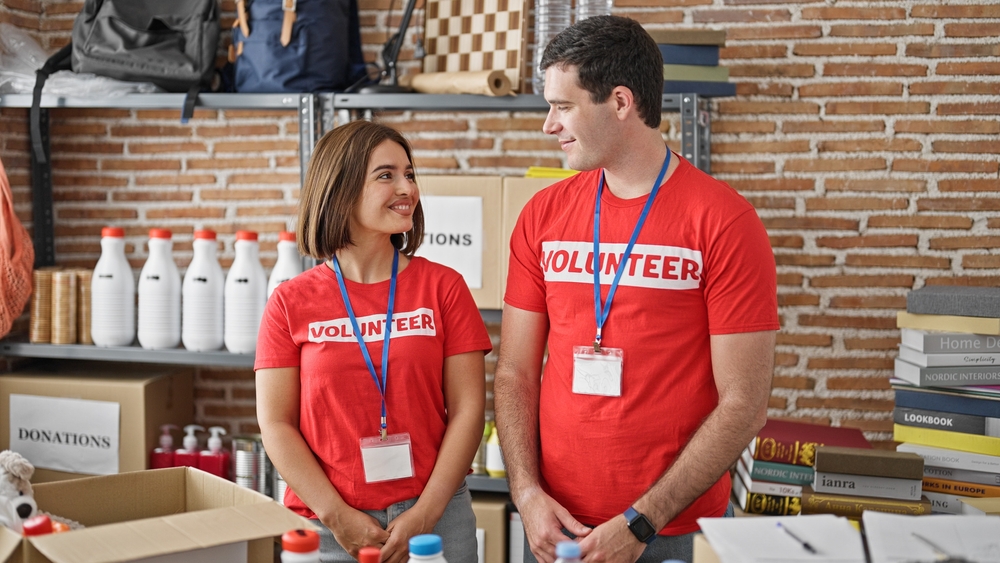
Wpromote, an award-winning marketing agency based in El Segundo, CA, partnered with ClassPass to offer a wide array of wellness options to employees across the country—and the results are significant.
Top reads by Stephanie Schappert
ClassPass improves wellness program engagement at University of California College of the Law
With on-campus facilities offline, ClassPass provided a flexible wellness benefit to fill the gap in student wellness.
.png)
ClassPass offers flexibility to global consulting firm, Analysis Group
Analysis Group, a global consulting firm, turned to ClassPass to help employees de-stress and prioritize their well-being.

Housing Works transitions to ClassPass after wellness stipend
Housing Works, a non-profit organization fighting AIDS and homelessness, added ClassPass to their generous benefit offering to give their employees flexible fitness options.
ClassPass makes wellness affordable for Yext Employees
Yext, an international software company, partnered with ClassPass to provide a variety of affordable wellness options to their employees with a program that supports engagement.
Workplace Wellness Challenges: 26 Employee Wellness Challenge Ideas and How to Organize Them
Keeping employees engaged in their wellbeing is not as simple as offering a stipend or sending a reminder email. Participation drops off, enthusiasm fades, and even well-intentioned initiatives can struggle to gain traction without the right structure.
This guide explores how to design workplace wellness challenges that drive meaningful engagement and measurable impact. You'll find a breakdown of high-performing challenge themes, from fitness and nutrition to mental health, sleep, productivity, and sustainability, along with practical planning steps to help you launch successfully. We'll also share 26 ready-to-use challenge ideas and guidance on setting clear goals, tracking participation, protecting employee privacy, and sustaining momentum beyond the initial rollout.
What are workplace wellness challenges?
A workplace wellness challenge is a structured initiative designed to encourage employees to engage in activities that support their health, wellbeing, or productivity. It typically operates within a broader employee wellness program—an organizational strategy that provides benefits, incentives, and resources aimed at improving overall health and mitigating workplace risk factors. A corporate wellness challenge, specifically, is often a company-wide effort that leverages shared goals, friendly competition, or gamification to motivate employees to build sustainable habits.
Importantly, a workplace wellness challenge is not a one-time perk or isolated event. It is a sustained, measurable initiative with defined objectives, participation tracking, and outcomes. It is also voluntary. A common misconception is that wellness challenges function as mandatory medical interventions; they do not. Rather than diagnosing or treating conditions, they serve as engagement tools that encourage healthier behaviors while respecting employee autonomy and privacy.
Why companies use wellness challenges for employees
Companies use wellness challenges to increase employee engagement, encourage healthier habits, reduce workplace burnout, strengthen team collaboration, and support company culture. Participation in structured challenges can align with short-term increases in daily activity and reported well-being, so employers often use them as one part of a broader employee wellness strategy.
To assess effectiveness, employers define clear success metrics upfront. Common indicators include participation rate, average activity per participant, changes in self-reported stress or energy, and whether behaviors are sustained after the challenge ends. Strong governance, including clear goals, voluntary participation, privacy protections, and alignment with company values, helps ensure initiatives motivate employees without creating pressure or exclusion.
How employers measure the impact of wellness challenges
Below are common evaluation categories and the corresponding metrics organizations use to assess outcomes:
- Engagement impact
- Participation rate during the challenge period
- Changes in employee engagement survey scores before and after the challenge
- Productivity impact
- Self-reported focus and energy levels
- Task completion rates or relevant output metrics, where measurable
- Retention impact
- Voluntary turnover rates
- Retention comparison between regular participants and nonparticipants
The benefits of wellness challenges
Wellness challenges provide a structured way to activate employee participation in health and performance initiatives. When designed effectively, they deliver measurable impact with relatively low operational complexity.
- Increase engagement: Time-bound goals and team elements drive higher participation and short-term momentum.
- Encourage healthy habits: Tracking simple behaviors such as movement, hydration, or sleep builds awareness and consistency.
- Reduce burnout risk factors: Movement and mindfulness challenges can support energy, focus, and stress management.
- Strengthen team cohesion: Shared goals and recognition foster collaboration and connection.
- Reinforce company culture: Aligning challenges with organizational values supports a culture of wellbeing.
- Generate measurable insights: Defined metrics provide data on participation, behavior change, and program effectiveness.
How to organize a wellness challenge at work
Launching an effective wellness challenge requires clear objectives, operational planning, and defined success metrics. The consolidated checklist below outlines the key components needed to design, execute, and evaluate a workplace initiative.
Define goals and success metrics
Clarify whether the focus is fitness, mental health, teamwork, or overall wellbeing. Establish measurable outcomes and participation thresholds that will determine success.
Align stakeholders and secure budget
Identify program sponsors, confirm leadership support, approve budget for incentives or technology, and determine any legal or privacy review requirements.
Collect baseline data and set targets
Gather anonymized baseline metrics, such as average daily steps or engagement scores. Set realistic improvement targets or participation benchmarks.
Select a relevant challenge theme
Choose activities such as step tracking, hydration goals, meditation streaks, or sleep improvement that align with employee interests and operational capacity.
Establish participation guidelines and data governance
Define duration, eligibility, tracking methods, verification requirements, reward criteria, and privacy settings. Document data access, retention, and anonymization standards.
Ensure accessibility and inclusion
Offer low-barrier participation options, alternatives for varying physical abilities, and translated materials where needed to support equitable access.
Promote the challenge internally
Communicate through email, intranet posts, team meetings, and leadership channels. Reinforce that participation is voluntary and designed to be inclusive.
Track progress, recognize participation, and evaluate outcomes
Share anonymized leaderboards or team summaries where appropriate. Recognize participants based on their preferences, collect post-challenge feedback, and measure results against baseline metrics.
Fitness wellness challenge ideas for employees
Physical activity challenges are among the most common workplace formats because they are easy to track and scale across teams. These initiatives typically focus on measurable movement goals that support cardiovascular health, energy, and team accountability.
1. Step challenge: a time-bound activity in which participants track daily steps to meet individual or team goals.
2. Workout streak challenge: a streak-based activity in which participants complete a minimum workout duration on consecutive days.
3. Exercise minutes challenge: a cumulative tracking challenge that totals active minutes over the challenge period.
4. Team fitness competition: a challenge that groups employees into teams that compete on aggregate metrics such as total steps or active minutes.
5. Walk or bike to work challenge: a challenge that rewards active commuting over a defined period. Implementation notes:
- Offer manual logging for employees without wearables.
- Provide alternative goals for employees with mobility constraints.
- Use team divisions to increase social accountability and cross-department connection.
Nutrition wellness challenge ideas
Nutrition challenges focus on everyday dietary habits that influence energy, focus, and long-term health. The goal is to encourage awareness and balanced choices without creating restrictive or prescriptive environments.
6. Healthy lunch challenge: a challenge that encourages employees to prepare or choose balanced lunches for a set number of days.
7. Drink more water challenge: a challenge that asks participants to track daily fluid intake against a target number of glasses or ounces.
8. Try a new healthy recipe challenge: a challenge that invites participants to cook or share a nutritious recipe and optionally rate entries on ease and flavor.
9. Sugar-free week challenge: a challenge that encourages avoiding added sugars for a week and tracking adherence. Practical safeguards:- Avoid prescriptive medical advice.
- Encourage inclusive options for dietary restrictions and cultural preferences.
- Provide resources such as simple nutrition guidelines from reputable public health sources.

Mental wellness challenge ideas
Mental wellness challenges aim to support focus, stress management, and emotional resilience. These formats work best when participation is flexible and normalized as part of a healthy work routine.
10. Daily meditation challenge: a challenge that asks participants to complete short guided meditation sessions each day for a set streak.
11. Gratitude journaling challenge: a challenge that prompts employees to write a short daily gratitude entry and optionally share reflections.
12. Digital detox challenge: a challenge that designates daily or weekly periods with reduced email or screen time outside core working hours.
13. Mindfulness break challenge: a challenge that encourages short mindful pauses, such as breathing or body scans, during the workday. Design considerations:
- Provide multiple formats such as audio, text, and short videos to support different preferences.
- Keep participation optional and normalize breaks as part of productivity strategies.
- Include mental health resource signposts and emergency contacts for employees who may need clinical support.
Workday wellness challenge ideas
Workday challenges integrate healthy habits directly into daily workflows. These initiatives are designed to improve energy, posture, and focus without significantly disrupting productivity.
14. Walking meetings: a challenge that replaces seated meetings with walking sessions where feasible.
15. Stretch breaks every hour: a challenge that prompts short mobility breaks and guided stretches.
16. Standing desk challenge: a challenge that encourages employees to alternate between sitting and standing periods.
17. 15-minute walking break challenge: a challenge that builds a daily micro-activity habit tied to focus and energy restoration. Operational tips:
- Offer guidance for ergonomic standing practices.
- Recommend scheduling norms that avoid pressure to justify breaks.
- Track participation through simple self-reports or calendar prompts.
Sleep wellness challenge ideas
Sleep challenges promote habits that support recovery, cognitive performance, and overall wellbeing. These initiatives should focus on education and awareness rather than clinical outcomes.
18. 8-hour sleep challenge: a challenge that encourages participants to prioritize time in bed that aligns with recommended sleep duration.
19. No screens before bed challenge: a challenge that sets a nightly screen-free window before bedtime.
20. Track sleep quality challenge: a challenge that prompts voluntary use of sleep-tracking tools or sleep diaries to observe patterns. Privacy and safety:
-
Avoid clinical claims about treating sleep disorders.
-
Provide general sleep hygiene tips from public health sources.
-
Encourage employees with persistent sleep issues to consult healthcare professionals.
Team wellness challenge ideas
Team-based challenges emphasize connection, morale, and shared achievement. These formats strengthen relationships while reinforcing broader wellness themes.
21. Volunteer challenge: a challenge that sets a team goal for collective volunteer hours contributed to local organizations.
22. Random acts of kindness challenge: a challenge that encourages small, trackable actions that support peers or community members.
23. Meet a new coworker challenge: a challenge that uses structured prompts for cross-team introductions over a set period.
24. Team wellness bingo: a challenge that uses a bingo card of varied wellness actions to encourage broader participation. Team design notes:
-
Coordinate with local community organizations for volunteer verification where needed.
-
Use rotating team membership to build new connections across departments.
- Provide optional formats so remote and on-site employees can participate equally.
Sustainability wellness challenge ideas
Sustainability challenges connect personal habits with environmental responsibility. These initiatives can reinforce company values while encouraging practical behavior changes.
25. Reusable water bottle challenge: a challenge that encourages employees to use reusable containers and track single-use avoidance.
26. Zero waste lunch challenge: a challenge that asks participants to minimize disposable packaging during meal times. Sustainability alignment:
Pair sustainability challenges with practical tips on safe food storage, local commuting infrastructure, and recycling guidance.
Measure impact using simple proxies such as estimated reductions in single-use items.
Create a successful wellness challenge for your workplace
Successful wellness challenges drive engagement and reinforce healthy behaviors when they align with employee interests and organizational capacity. Clear goals, inclusive design, defined metrics, and transparent data practices are essential to measurable impact.
Treat challenges as iterative initiatives rather than one-time events. Pilot with a representative group, measure participation and perceived value, and refine structure or incentives based on de-identified data and feedback before scaling.
Workplace wellness challenges are most effective when they are voluntary, measurable, accessible across abilities, and continuously improved over time. Organizations that communicate clearly and align initiatives with employee priorities are more likely to see sustained participation and positive cultural outcomes.
Ready to improve employee wellness and engagement in your workplace? The ClassPass Corporate Wellness Program can provide ongoing access to fitness and wellness experiences, helping reinforce healthy habits as part of a broader, scalable wellbeing strategy. Book a demo to learn more.
Frequently asked questions about workplace wellness challenges
What are some wellness challenges for employees?
Some wellness challenges for employees include step challenges, hydration tracking, meditation streaks, sleep improvement initiatives, and team volunteering events. These formats can be adapted for remote, hybrid, or in-office teams and scaled based on company size and resources.
How do you organize a wellness challenge at work?
To organize a wellness challenge at work, employers should define measurable goals, select a theme aligned with employee interests, and establish clear participation rules with appropriate privacy safeguards. Effective implementation also requires inclusive internal promotion, transparent tracking methods, and structured recognition of outcomes.
What are wellness challenges for work?
Wellness challenges for work are voluntary, employer-led initiatives designed to encourage healthier habits through defined activities over a set period of time. They often incorporate team-based elements or gamification to increase engagement while supporting broader wellness objectives.
What are some employee wellness challenge ideas?
Some employee wellness challenge ideas include step challenges, healthy eating weeks, daily meditation streaks, team fitness competitions, and sustainability initiatives such as reducing single-use items. These ideas can be customized to align with organizational goals and employee preferences.
%202.jpg)
ClassPass makes wellness engaging and accessible at Wpromote
Wpromote, an award-winning marketing agency based in El Segundo, CA, partnered with ClassPass to offer a wide array of wellness options to employees across the country—and the results are significant.
ClassPass improves wellness program engagement at University of California College of the Law
With on-campus facilities offline, ClassPass provided a flexible wellness benefit to fill the gap in student wellness.
ClassPass offers flexibility to global consulting firm, Analysis Group
Analysis Group, a global consulting firm, turned to ClassPass to help employees de-stress and prioritize their well-being.
Housing Works transitions to ClassPass after wellness stipend
Housing Works, a non-profit organization fighting AIDS and homelessness, added ClassPass to their generous benefit offering to give their employees flexible fitness options.
ClassPass makes wellness affordable for Yext Employees
Yext, an international software company, partnered with ClassPass to provide a variety of affordable wellness options to their employees with a program that supports engagement.
Workplace Wellness Challenges: 26 Employee Wellness Challenge Ideas and How to Organize Them
Keeping employees engaged in their wellbeing is not as simple as offering a stipend or sending a reminder email. Participation drops off, enthusiasm fades, and even well-intentioned initiatives can struggle to gain traction without the right structure.
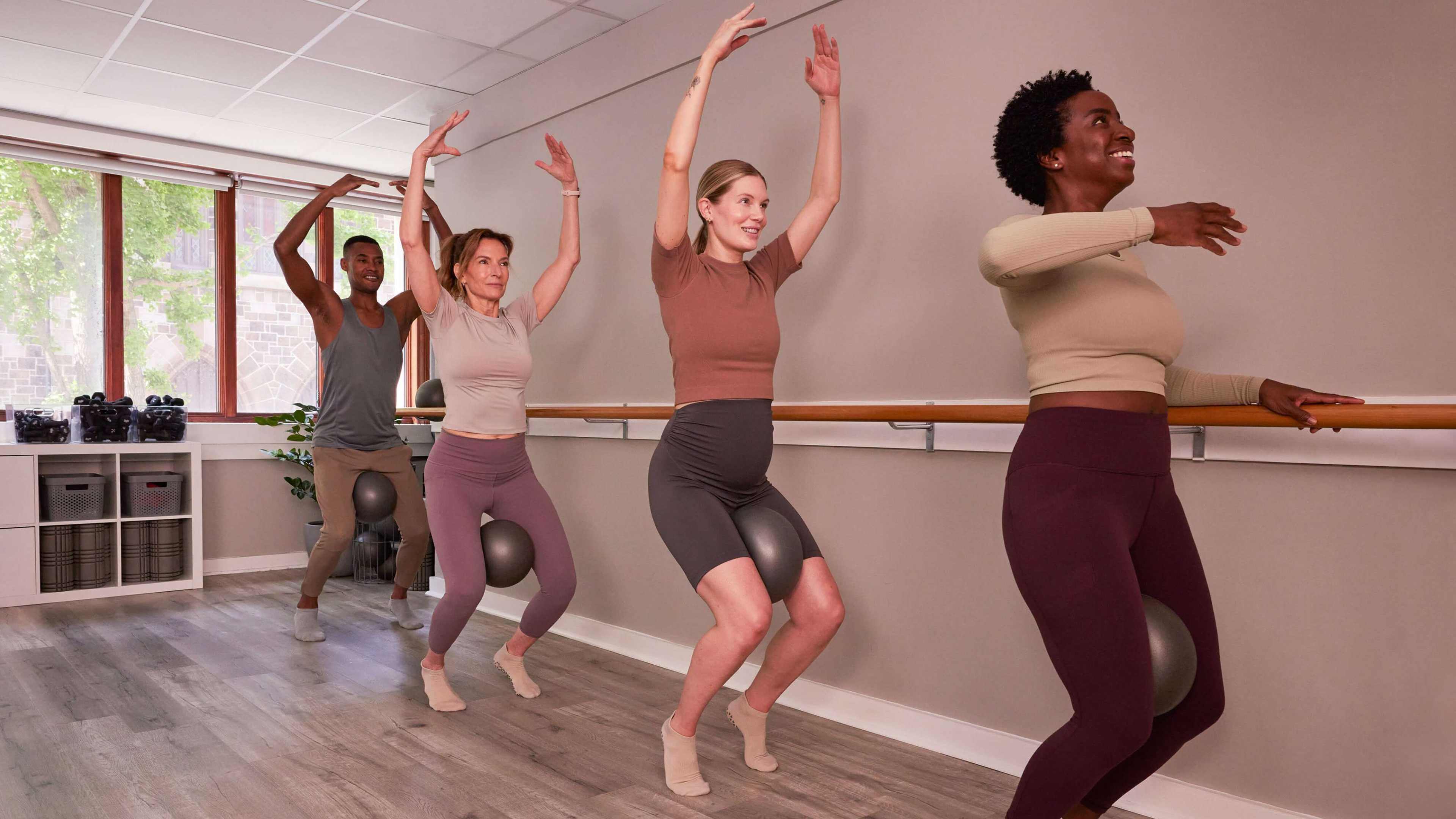
ClassPass provides Liquid Death with a diverse wellness offering
Liquid Death, a growing healthy beverage company based in Los Angeles, CA, sought a diverse wellness benefit for their employees. With a focus on equity and making Liquid Death the best place to work, they partnered with ClassPass to offer a benefit that provided more than just mental health support.
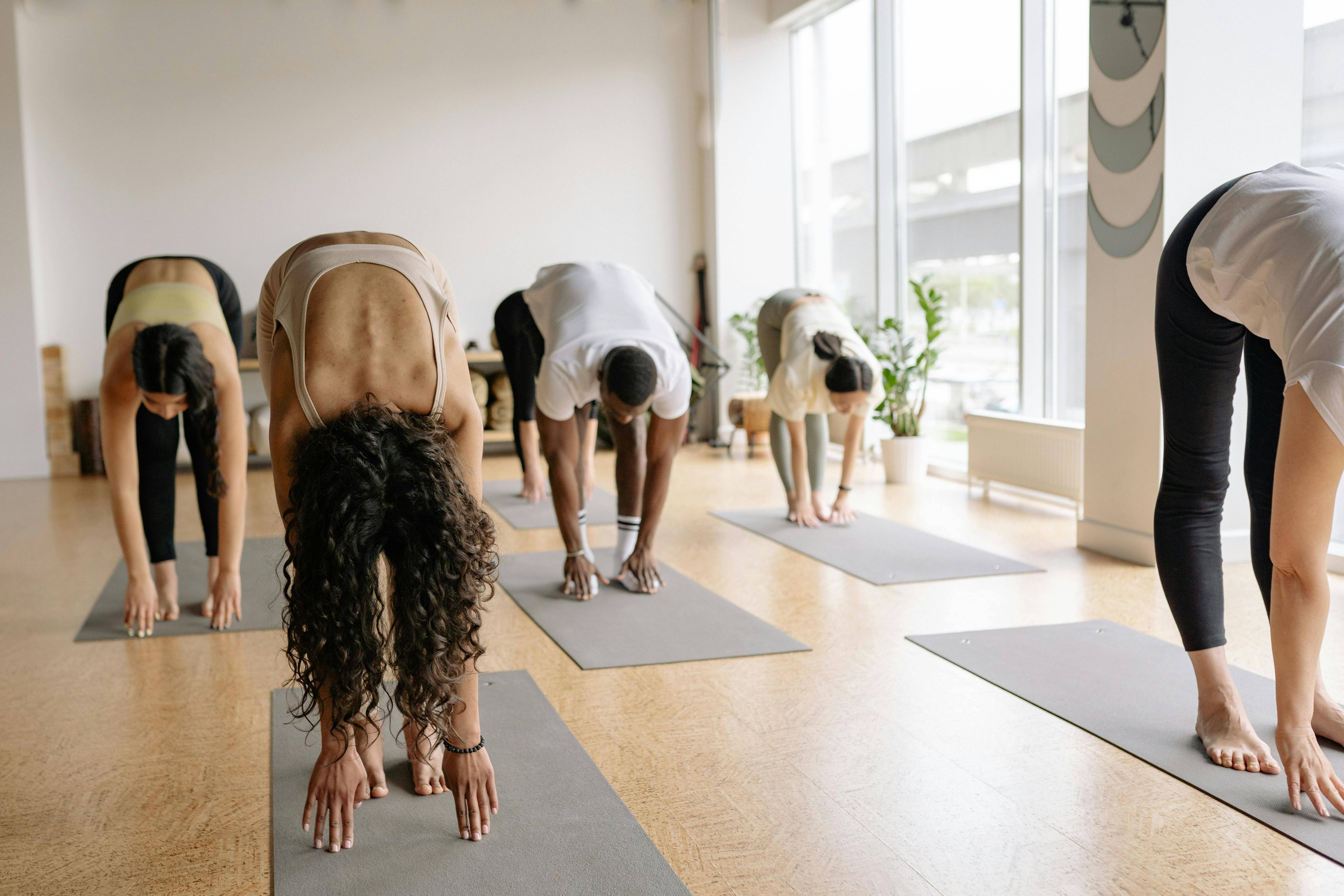
The Ultimate Guide to Workplace Wellness Challenges
Empower your team's wellbeing with our comprehensive guide to wellness challenges.
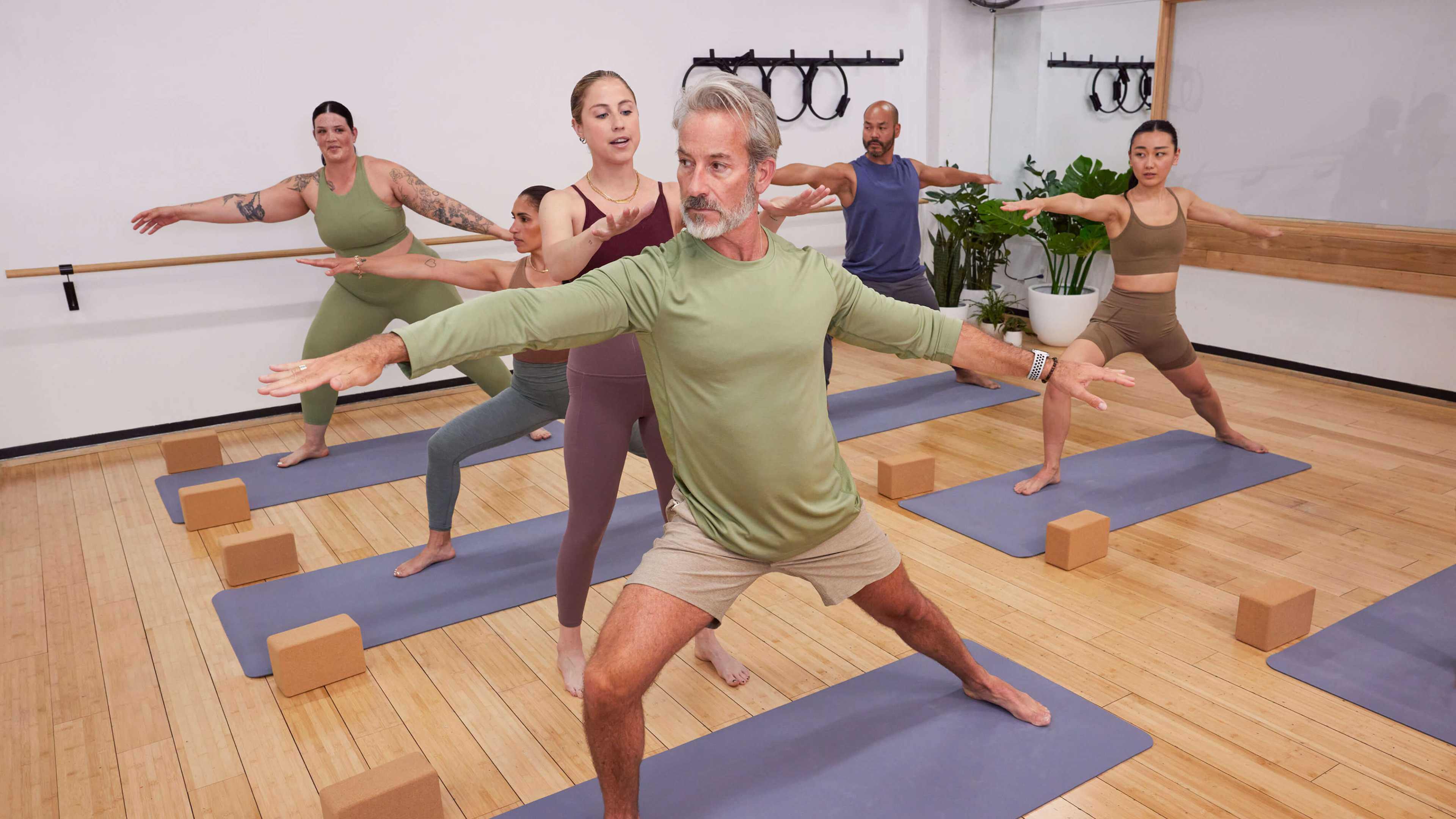
ClassPass enables IWBI to offer a popular and accessible wellness benefit
The International WELL Building Institute (IWBI), the global authority on healthy buildings with team members around the world, sought a wellness benefit with global reach—and ClassPass delivered.
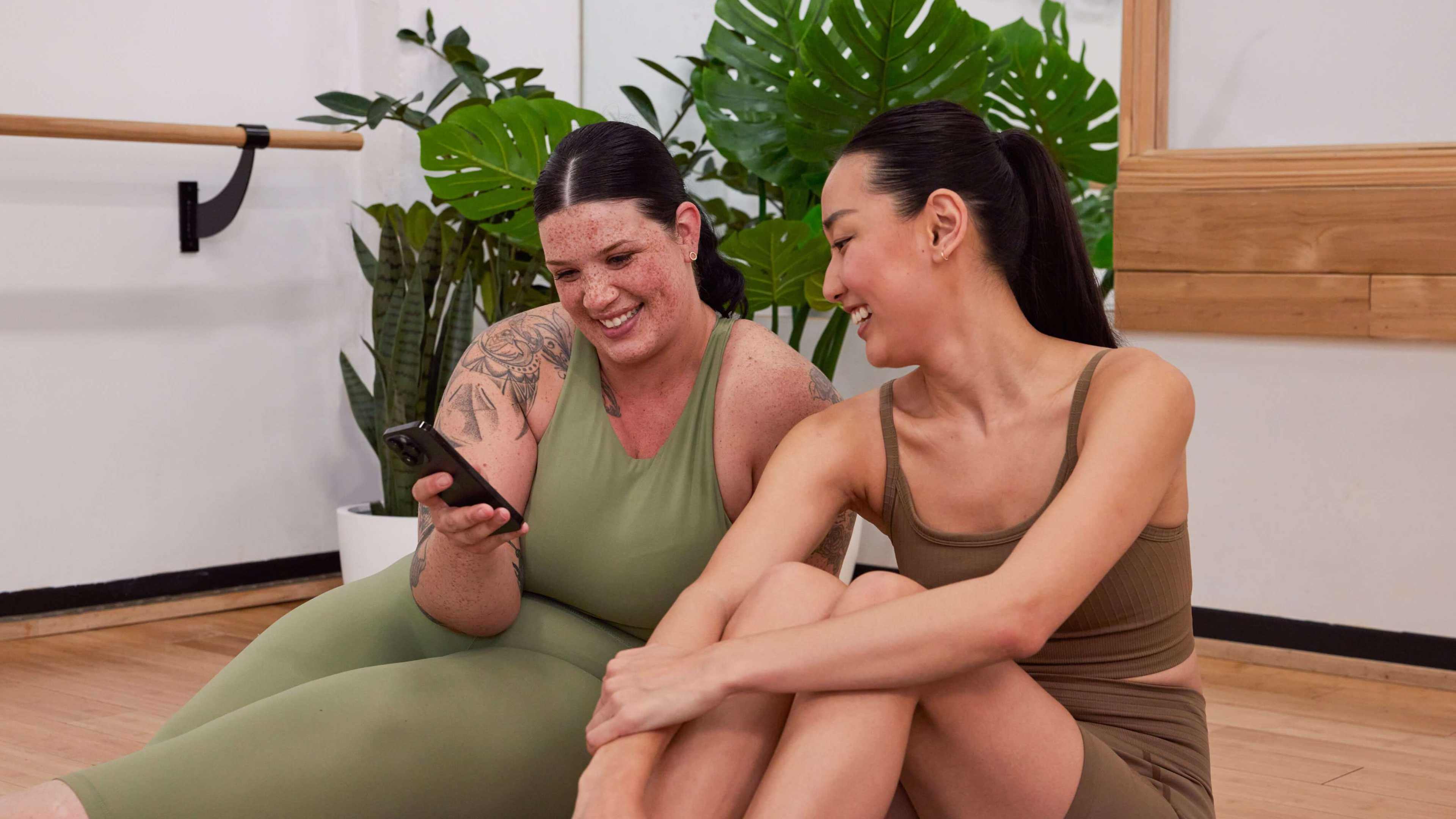
ClassPass answers Wasserman’s need for global wellness benefit
Wasserman, a global sports, music, and entertainment company, partnered with ClassPass to make health and wellness benefits accessible across all locations—at the request of their employees.









%20(1).png)