A workplace wellness program is a structured employer-sponsored initiative designed to support and improve employee health outcomes across physical, mental, and financial dimensions. The best programs go beyond surface-level perks like free snacks and gym discounts. They integrate wellness into the daily employee experience, address root causes of burnout and disengagement, and measure results with the same rigor applied to any other business investment.
Organizations with comprehensive wellness programs see measurable improvements in retention, productivity, and healthcare cost containment. However, a common misconception is that effective wellness requires massive budgets. In reality, the most impactful programs succeed because of thoughtful design, leadership support, and consistent execution, not because of spending.
This guide breaks down what separates the best workplace wellness programs from the rest, covering program design principles, the categories that matter most, implementation strategies, and how to evaluate whether your investment is working.
What defines a best-in-class wellness program
Not all wellness programs deliver equal value. Programs that consistently rank highest in employee satisfaction and business impact share several structural characteristics that set them apart from checkbox initiatives.
Holistic scope across multiple dimensions
The most effective programs address the full spectrum of employee wellbeing rather than focusing narrowly on physical fitness. A holistic approach includes physical health, mental and emotional health, financial wellness, social connection, and professional development.
Contrary to popular belief, a wellness program doesn’t need to cover every dimension simultaneously from day one. The best programs start with the one or two dimensions that employees identify as most urgent, then expand over time based on participation data and feedback.
Personalization and employee choice
A one-size-fits-all approach to wellness rarely works because employee needs vary dramatically based on age, life stage, health status, and personal preferences. Top-tier programs offer a menu of options and let employees select the activities and benefits that resonate with them.
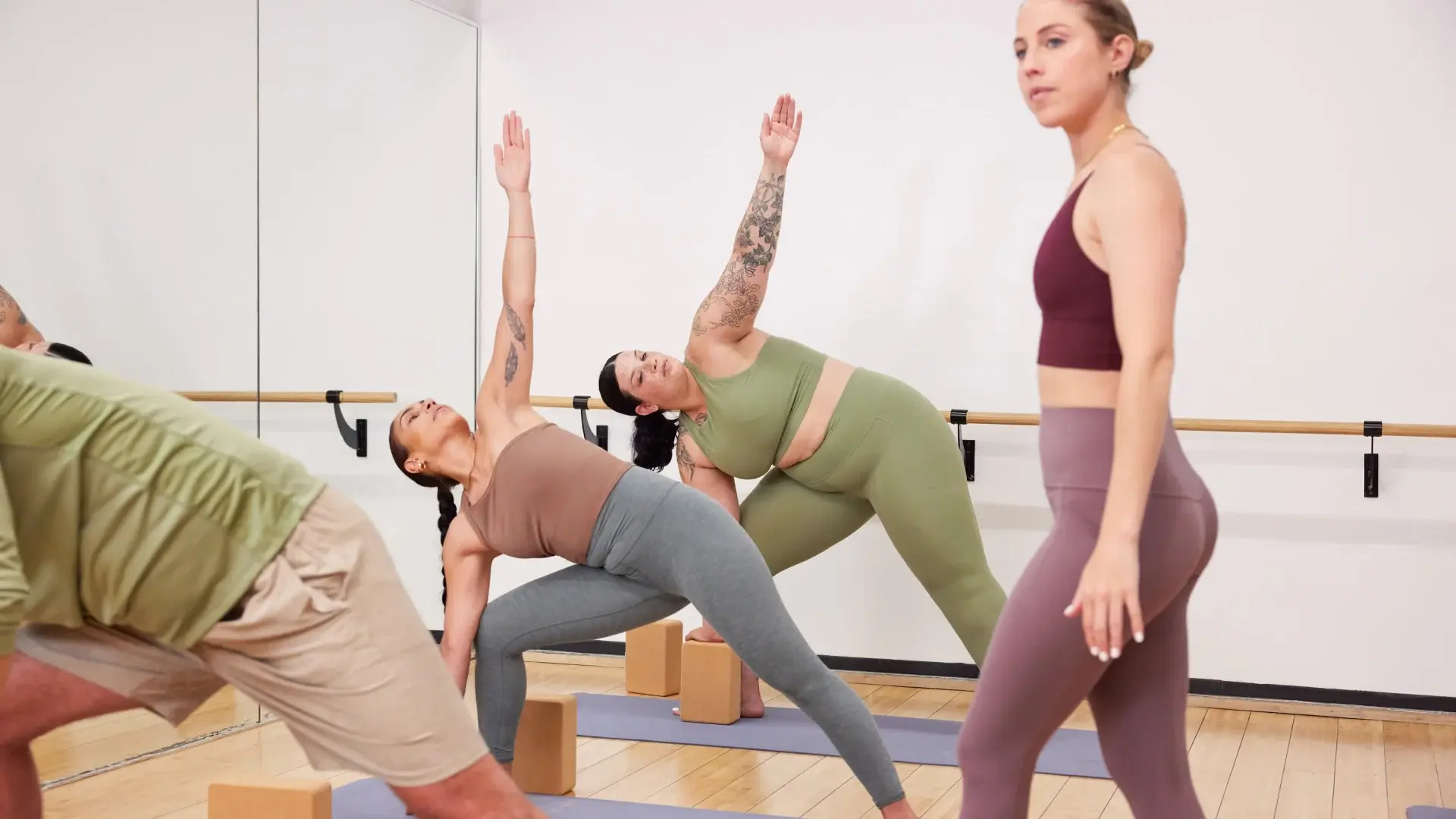
This is where flexible wellness benefit platforms add significant value. Rather than prescribing a single gym membership or a specific meditation app, organizations can provide employees with access to a broad network of fitness, wellness, and self-care options. One employee might choose yoga, another might prefer strength training, and a third might use the benefit for massage therapy or acupuncture.
Leadership participation and modeling
Programs that receive visible support from senior leadership consistently outperform those managed exclusively by HR. When executives and managers participate in wellness activities, it sends a clear signal that the organization genuinely values employee health rather than treating it as an obligation.
Leadership involvement doesn't require executives to lead fitness classes. Simply attending a wellness event, sharing personal health goals in a team meeting, or publicly blocking time for a midweek wellness break normalizes participation across the organization.
Physical wellness programs that deliver results
Physical health programming remains the foundation of most corporate wellness initiatives. The key to success is offering variety, accessibility, and convenience.
Fitness benefits with flexible access
Traditional gym reimbursement programs suffer from a fundamental limitation: they assume all employees want to exercise in the same way. Modern fitness benefits solve this by giving employees access to a diverse network of studios, gyms, and digital fitness options.
Employees can choose from cycling, Pilates, boxing, swimming, martial arts, and dozens of other modalities. This variety keeps employees engaged over time because they can experiment with new formats rather than falling into a stale routine.
The data supports this approach. Organizations that offer diverse fitness access report benefit utilization rates two to three times higher than those offering single-gym memberships. Higher utilization means more employees actually benefit from the investment.
On-site and virtual fitness programming
Companies with physical office space often invest in on-site fitness classes or partner with local studios to offer discounted sessions. Popular formats include lunchtime yoga, after-work HIIT sessions, and morning stretch routines.
For hybrid and remote teams, virtual fitness programming is equally important. Live-streamed classes create a shared experience across locations, while on-demand content libraries let employees work out on their own schedules. The best programs offer both synchronous and asynchronous options.
Preventive health screenings and biometric assessments
Some organizations supplement fitness programming with annual health screenings that measure blood pressure, cholesterol, blood glucose, and body composition. These screenings give employees a baseline understanding of their health and can identify risk factors before they become serious conditions.
When offering screenings, privacy is paramount. Results should be shared only with the individual employee and never with managers or HR. Incentivizing participation through small rewards (like an additional wellness day off) increases uptake without creating pressure.
Mental health and emotional wellbeing programs
Mental health has become the fastest-growing category in corporate wellness. The stigma around seeking mental health support at work has decreased significantly, and employees now expect their employers to provide meaningful resources.
Employee Assistance Programs reimagined
Traditional Employee Assistance Programs (EAPs) suffer from chronically low utilization rates, typically between 3% and 8%. The primary barriers are lack of awareness, complex intake processes, and concerns about confidentiality.
Modern organizations are reimagining EAPs by simplifying access, expanding the scope of covered services, and actively promoting the benefit through regular communication. Some companies have moved to digital therapy platforms that allow employees to connect with licensed therapists via text, video, or phone within 24 hours of requesting support.
Mindfulness and meditation programs
Meditation and mindfulness programs have moved from fringe to mainstream in corporate wellness. Organizations offer everything from app-based meditation subscriptions to weekly guided sessions led by trained facilitators.
The evidence for workplace mindfulness is strong. Regular practice reduces stress hormones, improves emotional regulation, and enhances the ability to focus in distracting environments. Even brief daily sessions of five to ten minutes produce measurable cognitive benefits within two weeks of consistent practice.
Burnout prevention and resilience training
Burnout isn't simply the result of working too many hours. It stems from a chronic imbalance between job demands and available resources, including autonomy, recognition, fairness, and community. The best wellness programs address burnout at the systemic level rather than placing the burden of prevention entirely on individual employees.
Resilience training programs teach employees evidence-based techniques for managing stress, setting boundaries, and recovering from setbacks. However, organizations must pair individual training with structural changes like reasonable workload expectations, clear communication norms, and genuine flexibility. Resilience training without systemic support feels hollow and can actually increase cynicism.
Financial wellness programs
Financial stress is one of the most significant, yet least addressed, contributors to employee distraction and anxiety. Employees who are worried about debt, retirement savings, or unexpected expenses bring that stress to work every day, and it directly affects their concentration, sleep, and interpersonal relationships.
Financial education and planning resources
Offering financial literacy workshops on topics like budgeting, investing basics, debt management, and retirement planning gives employees practical tools to improve their financial health. Sessions led by certified financial planners carry more credibility than generic webinars.
The most effective programs go beyond education and provide one-on-one financial coaching. Employees can discuss their specific situations confidentially and receive personalized guidance. This level of support is particularly valued by early-career employees managing student loan debt and mid-career employees navigating homeownership and college savings simultaneously.
Emergency savings programs
Some organizations have introduced employer-matched emergency savings programs, where the company contributes a small amount to an employee's emergency fund for every dollar the employee saves, up to a set limit. These programs address a critical gap, because nearly half of American workers report they can’t cover an unexpected $400 expense without borrowing.
By helping employees build a financial safety net, employers reduce the chronic stress that erodes productivity and engagement. The investment is modest relative to the return in reduced absenteeism and improved focus.
Social wellness and community building
Humans are social creatures, and workplace relationships significantly influence job satisfaction, collaboration quality, and retention. Programs that intentionally build social connection create a more resilient and engaged workforce.
Team wellness challenges
Structured wellness challenges are one of the most effective ways to combine physical activity with social connection. Step challenges, hydration challenges, sleep tracking challenges, and fitness challenges all create friendly competition that motivates participation.
The social element is critical. Challenges that include team-based components consistently outperform individual challenges in both participation rates and sustained behavior change. When employees feel accountable to teammates, they are more likely to follow through.
Employee Resource Groups with wellness focus
Employee Resource Groups (ERGs) are voluntary, employee-led groups organized around shared identities or interests. Adding a wellness dimension to ERGs creates organic programming that reflects the specific needs and preferences of different employee populations.
For example, a working parents ERG might organize sessions on managing family stress, a veterans ERG might focus on physical fitness and mental health resources tailored to service members, and an early-career ERG might prioritize financial wellness education.
Volunteer and purpose-driven activities
Volunteering programs that allow employees to contribute to causes they care about address the social and purposeful dimensions of wellness simultaneously. Research consistently shows that prosocial behavior, helping others, activates the brain's reward pathways and improves subjective wellbeing.
Effective corporate volunteer programs offer both scheduled group activities and flexible individual volunteering hours that employees can use throughout the year. Connecting volunteer opportunities to the company's mission or values increases participation and reinforces organizational culture.
How the best workplace wellness programs are structured
Beyond the specific activities offered, the structural design of a wellness program determines whether it succeeds or stalls after an initial burst of enthusiasm.
Tiered programming model
A tiered approach ensures that every employee can engage at a level that feels comfortable. The first tier includes universal, low-barrier offerings like wellness content, health tips, and flexible scheduling. The second tier offers active programming like classes, challenges, and workshops. The third tier provides intensive, personalized support like coaching, therapy, and health management.
This structure respects that employees are at different stages of their wellness journeys. Someone dealing with a health crisis needs different support than someone looking to optimize performance.
Data-driven iteration
The best programs track engagement and outcomes systematically. Key metrics include participation rates by activity type, employee satisfaction scores, self-reported health improvements, benefit utilization, and, where measurable, correlations with absenteeism, turnover, and healthcare claims.
Quarterly reviews of this data reveal what's working, what's underperforming, and where gaps exist. Programs that iterate based on data improve year over year, while static programs decline as novelty wears off.
Communication and marketing
A wellness program that employees don't know about cannot succeed. The best organizations treat internal wellness communication with the same care they apply to external marketing. This includes clear branding, regular promotional content across multiple channels, testimonials from participating employees, and visible leadership endorsement.
A common mistake is announcing a program at launch and then letting communication fade. Consistent, recurring communication is essential to maintain awareness and participation over time.
Selecting the right wellness vendor
Many organizations partner with external vendors to deliver components of their wellness programs. Choosing the right partners is critical to program quality and employee experience.
Evaluating vendor capabilities
When assessing potential wellness vendors, focus on breadth of offerings, ease of employee access, reporting and analytics capabilities, and integration with existing HR systems. The best vendors provide a seamless experience that feels like a natural extension of the company's benefits rather than a disconnected third-party tool.
Ask vendors for case studies and references from organizations of similar size and industry. Request sample reporting dashboards to understand what data you will have access to and how granular the insights are.
Balancing cost and comprehensiveness
A common misconception is that the most expensive wellness platform is automatically the best. In practice, value depends on utilization. A premium vendor whose platform employees don’t use delivers less value than a moderately priced solution with high adoption.
Employee incentive programs and clear onboarding processes significantly influence utilization rates. Vendors that provide dedicated support for launch, ongoing engagement resources, and regular participation reporting help organizations maximize the return on their investment.
How to benchmark your workplace wellness program
Understanding how your program compares to industry standards helps identify areas for improvement and build the case for continued investment.
Participation rate benchmarks
Average wellness program participation rates across industries range from 20% to 40% for voluntary programs. Top-performing programs achieve 50% to 70% participation by offering diverse activities, providing flexible scheduling, and maintaining strong communication.
If your participation rate falls below 30%, the issue is usually not the programming itself but rather accessibility, awareness, or cultural barriers. Survey non-participants to identify specific obstacles.
Employee satisfaction and Net Promoter Score
Including wellness-specific questions in engagement surveys provides direct feedback on program quality. Net Promoter Score (NPS) methodology works well here: ask employees how likely they are to recommend the wellness program to a colleague, on a scale of zero to ten. An NPS above 30 indicates a strong program, while anything below zero signals fundamental issues.
Health outcome metrics
For organizations with sufficient data, tracking aggregate health metrics over time provides the most compelling evidence of program impact. Metrics include changes in health risk assessment scores, reductions in high-risk biometric indicators, and trends in healthcare claims.
These metrics require multi-year tracking to show meaningful trends and must be analyzed in aggregate to protect individual privacy. Partner with your benefits team and insurance carrier to establish baseline measurements and set realistic improvement targets.
Building a culture of wellness beyond programming
The best workplace wellness programs aren’t standalone initiatives. They are expressions of a broader organizational culture that prioritizes employee wellbeing at every level.
Policy alignment
Wellness programming loses credibility if company policies contradict it. An organization that offers meditation sessions but expects employees to respond to emails within five minutes at all hours sends a mixed message. Aligning policies around meeting schedules, communication norms, time-off expectations, and workload management with wellness goals creates an environment where healthy behavior isn't only possible but encouraged.
Manager training
Managers have more influence on employee wellbeing than any single wellness program. Training managers to recognize signs of burnout, have supportive conversations about workload, and model healthy boundaries amplifies the impact of formal wellness offerings.
Manager training should be practical and specific. Rather than abstract lectures on "supporting employee wellness," provide managers with concrete tools: conversation scripts, escalation paths for concerning situations, and permission to adjust workloads without requiring multiple approvals.
Celebrating progress, not perfection
A wellness-positive culture celebrates effort and consistency rather than outcomes. Recognizing the employee who shows up to the walking group every week matters as much as celebrating the marathon finisher. This framing makes wellness feel achievable for everyone, not just the already-fit.
When organizations get this right, wellness stops being a program and starts being how the company operates. That shift, from initiative to identity, is what the best workplace wellness programs ultimately achieve.
Build a workplace wellness program employees will actually use
The best workplace wellness programs succeed because they make wellbeing accessible, relevant, and easy to engage with over time. When organizations offer flexible options, listen to employee needs, and connect wellness to everyday culture, they create programs that do more than check a box—they support healthier, more engaged teams.
Looking to strengthen your organization's workplace wellness efforts? Learn how the ClassPass Corporate Wellness Program can give your employees flexible access to a wide variety of fitness and wellness experiences.