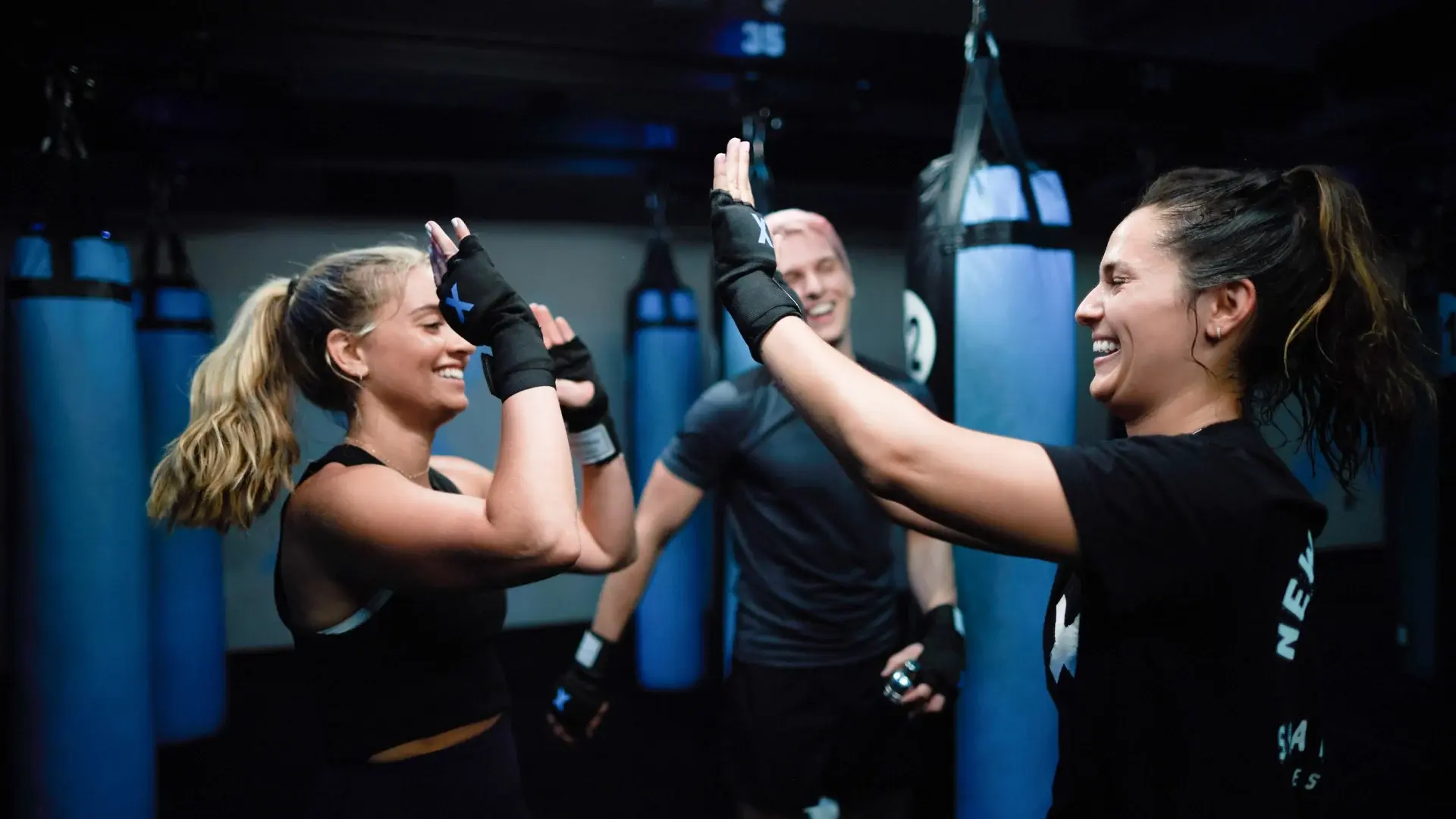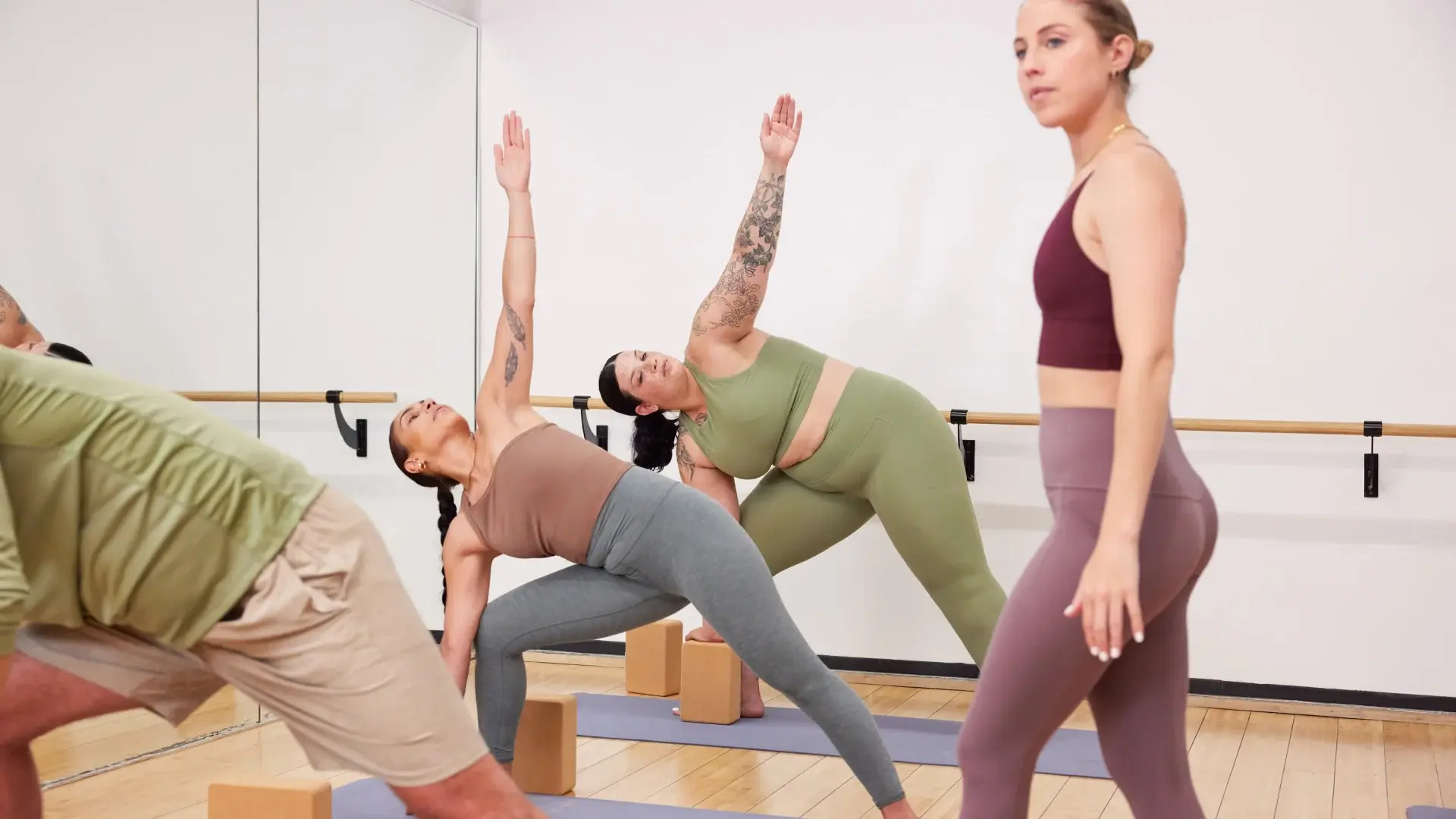
Organizations that prioritize comprehensive wellness initiatives see measurable improvements in business outcomes and employee satisfaction. They focus on workplace wellness, a type of organizational initiative that fosters employee health across physical, mental, emotional, social, financial, and professional dimensions.
Workplace wellness is more than a perks program; it's also a strategic business investment that directly impacts financial performance and competitive advantage. In this blog, we'll explore why workplace wellness matters, the different types of activities organizations can offer, and how to build a program that supports engagement, retention, and long-term business success.
Why organizations invest in employee wellness activities
Organizations invest in wellness activities because they directly impact financial performance and workforce stability. Effective wellness programs reduce absenteeism by helping employees manage chronic conditions, recover from illness faster, and maintain better overall health. The result is fewer unplanned days off, reduced productivity losses, and lower costs associated with coverage and backfill work.
They also play a critical role in employee retention. When employees feel supported in their health and development, they're more likely to remain with their employer, reducing expensive turnover costs related to recruitment and training. Strong wellness programs also enhance recruitment competitiveness, as prospective employees increasingly prioritize employer support for their wellbeing when evaluating job opportunities.
The productivity upside to workplace wellness is just as significant. By addressing presenteeism, when employees are physically present but not fully functioning due to stress, illness, or burnout, wellness programs help teams operate at full capacity.
Preventative wellness activities and stress management programs help employees show up mentally and physically present. Comprehensive wellness initiatives create cost savings through reduced health insurance claims, lower workers' compensation expenses, and decreased mental health-related productivity losses.
Defining wellness activities across multiple dimensions
Workplace wellness is most effective when it reflects the full range of factors that influence employees' health, performance, and quality of life. A multidimensional approach helps organizations build programs that are more inclusive, relevant, and responsive to employees' real needs.
- Physical wellness encompasses fitness, nutrition, disease prevention, and ergonomic health.
- Mental and emotional wellness includes stress management, resilience building, and access to counseling resources.
- Social connection strengthens relationships and community within the organization.
- Financial wellness provides education and tools for money management and security.
- Career development supports advancement opportunities and skill building.
Effective wellness programs weave these dimensions together because employees face interconnected challenges. A person struggling with financial anxiety may experience sleep disruption and reduced focus at work, while social isolation can compound mental health challenges. Activities spanning multiple dimensions address these connections and serve diverse employee populations with varying priorities and needs.
Measurement frameworks track engagement and outcomes across wellness categories. Organizations typically monitor participation rates by activity type, employee satisfaction and feedback, health metrics like absenteeism and health claims, and engagement indices measuring overall workplace satisfaction. These frameworks reveal which activities resonate most strongly and where gaps exist in current offerings.
Scaling wellness activities for different workforce models
Wellness activities are most effective when they're designed to fit the realities of how employees work. Hybrid, remote, and in-office teams each have different needs, so organizations should adapt their wellness strategies to ensure programs feel accessible, relevant, and engaging across every work environment.
- Remote employees can benefit from virtual meditation sessions, online fitness challenges, and digital social events that replicate office connection.
- In-office teams can access on-site fitness classes, walking groups, and informal social gatherings.
Hybrid models benefit from flexible scheduling of activities that accommodate various work locations.
Resource allocation decisions balance low-cost community building with more structured wellness offerings. Walking groups and peer-led wellness circles require minimal investment but can generate strong participation and meaningful connection.
Formal programs like contracted yoga instructors or external coaching services require budget commitment but often attract different participant segments. Successful organizations fund both types strategically.
Equitable access is also essential. Wellness programs that primarily serve headquarters or office-based employees can unintentionally exclude remote, frontline, or distributed teams. Clear communication about available activities, along with intentional outreach to underrepresented departments and locations, helps ensure broader participation and prevents wellness initiatives from reinforcing existing organizational inequities.
Physical wellness activities to implement in the workplace
Physical wellness activities are often the easiest place for organizations to begin because they can be simple, visible, and highly accessible. Even low-cost movement initiatives can help employees build healthier routines while reinforcing a culture that values well-being.
Movement and fitness initiatives at no or low cost
- Walking groups organized during lunch hours or after work build fitness habits while creating social connection. Employees self-organize or receive minimal coordination support to establish regular routes and schedules.
- Stairs challenges tracking weekly climbs encourage employees to increase daily movement using existing infrastructure. Step challenges with team-based leaderboards and low-cost incentives like recognition or small gifts motivate participation without significant expense.
- Lunchtime yoga or Pilates sessions held in conference rooms create accessible movement options for diverse fitness levels. These sessions require minimal equipment and can be led by certified employee volunteers or contracted instructors.
- Desk exercises and ergonomic movement guides distributed through email or intranet reach employees at their workstations and prevent repetitive strain.
- Fitness challenges tracking steps, workout frequency, or wellness milestone achievement keep employees engaged over time. Challenges with milestone recognition maintain motivation beyond initial enthusiasm.
Recognition programs celebrating fitness achievements through internal communications reinforce participation and normalize wellness as part of workplace culture.
Nutrition and healthy eating programs
Meal planning workshops covering balanced nutrition and food labels equip employees with practical knowledge for healthier eating. Facilitators address portion sizes, macronutrient balance, and strategies for eating well on a budget. Lunch-and-learn sessions focused on dietary topics provide accessible nutrition education during the workday.
Healthy snack offerings in break rooms and vending machine alternatives remove barriers to nutritious choices. Water coolers or hydration reminders throughout workplace communications encourage proper hydration. Partnerships with local farms or nutritionists for subsidized educational programming connect employees with expert guidance and community resources.
Many organizations mistakenly believe nutrition programs should focus primarily on weight loss. Effective nutrition activities instead frame healthy eating as energy management, disease prevention, and overall wellness. Programs that avoid weight-focused language and instead emphasize how nutrition affects energy, mood, and performance attract broader employee participation.
Preventative health and screening activities
On-site health screenings for services like flu shots, vision tests, and hearing assessments remove barriers to preventative care. Employees often skip preventative screenings due to time constraints or healthcare navigation complexity. Bringing these services to the workplace dramatically increases participation rates and catches early health issues.
Ergonomic assessments and workstation setup recommendations prevent musculoskeletal injuries and chronic pain. A trained ergonomics specialist evaluates each employee's workspace and provides personalized recommendations for desk height, monitor position, and equipment adjustments. Health risk assessments combined with personalized wellness coaching help employees understand their specific health priorities.
Sleep hygiene education and resources prove particularly valuable for shift workers and employees with caregiving responsibilities. Organizations that provide information about sleep optimization, tools for managing irregular schedules, and recovery resources demonstrate understanding of diverse employee circumstances. Preventative care reminders help employees maintain health maintenance schedules and avoid gaps in necessary care.
Mental health and stress management activities
Supporting mental health in the workplace helps employees manage stress, sustain focus, and feel more equipped to navigate daily challenges. Simple, accessible programs can make stress-reduction practices part of employees' regular routines rather than something they turn to only in moments of crisis.
Mindfulness and resilience building programs
Guided meditation sessions offered in-person during the workday or via recorded libraries provide accessible stress reduction tools. Beginners and experienced practitioners both benefit from structured guidance. Breathing exercises and grounding techniques taught during breaks provide quick stress management tools employees can use immediately when feeling overwhelmed.
Stress management workshops covering coping strategies and boundary setting give employees practical skills for managing work pressures. Resilience training focused on adaptability and recovery from setbacks helps employees bounce back from challenges more quickly. Journaling prompts and reflection exercises support employees in understanding and managing their emotions.
Organizations often underestimate how much employees appreciate access to these tools without additional cost or complexity. Simple resources like recorded meditation libraries or written breathing exercise guides deliver value without requiring significant program investment or participation coordination.
Mental health resources and support accessibility
Employee Assistance Programs (EAP) provide confidential counseling and referral services, yet many employees don't know these resources exist. Clear promotion through multiple channels, manager training, and regular communication dramatically improve utilization. Mental health first aid training for managers and peer supporters creates a supportive environment where employees feel comfortable seeking help.
Peer support groups for specific concerns like caregiving, grief, life transitions, or specific diagnoses create community around common challenges. Mental health awareness campaigns during Mental Health Awareness Month and ongoing conversations normalize discussions about mental health. Regular promotion combats the stigma that often prevents employees from accessing available support.
Confidential counseling resources and clear referral pathways ensure employees know how to access help when needed. Organizations that clearly communicate how to contact EAP services, what coverage looks like, and how confidentiality protections work remove barriers to utilization. Visible leadership commitment to mental health, including executives discussing their own wellness practices, encourages broader employee participation.
Work environment changes supporting mental wellness
Quiet zones and meditation rooms provide physical spaces for decompression during the workday. Employees under stress benefit enormously from access to quiet spaces where they can step away from stimulation and regain focus. These spaces need not be elaborate, simply designated quiet areas signal organizational commitment to mental wellness.
Flexible scheduling and remote work options reduce burnout by giving employees control over their work environment and schedule. Meeting-free time blocks and communication guidelines preventing after-hours messages create protected recovery time. Regular check-ins between managers and employees on workload and stress levels ensure problems surface before they escalate.
Burnout prevention training and recovery program options help employees and managers understand burnout warning signs and recovery strategies. Many employees don't realize they're experiencing burnout until they reach crisis points. Education about burnout helps employees take preventative action earlier.
Social connection and community building activities
Creating consistent opportunities for employees to connect beyond their day-to-day responsibilities strengthens trust, collaboration, and overall employee engagement. When people feel a genuine sense of belonging at work, they're more likely to contribute, stay, and perform at a higher level.
Team building and cross-functional connection opportunities
Interest-based employee resource groups are a type of workplace community that organize around hobbies, identities, or shared interests to create belonging and connection. Groups focused on book clubs, outdoor activities, parenting, or cultural interests attract employees with common interests. These groups often build stronger connections than traditional team building because participation reflects genuine interest rather than obligation.
Structured team outings with optional participation encourage bonding in lower-pressure settings than forced activities. Social committees organizing monthly lunches, happy hours, or celebration events create regular touchpoints for connection. Virtual coworking sessions for remote employees replicate the informal social interaction of office environments.
Mentorship and buddy programs pairing employees across departments facilitate knowledge sharing and relationship building. Structured mentorship with clear expectations and regular check-ins proves more successful than informal mentoring. Buddy programs for new employees accelerate integration and belonging.
Volunteer and community service opportunities
Paid volunteer time for employee-selected community organizations demonstrates organizational values beyond profit. Employees care deeply about causes aligned with their values, and supporting this creates meaning and engagement. Group volunteering days where team members work toward shared causes build team cohesion while contributing to community benefit.
Skills-based volunteer matching connects employee expertise to nonprofit needs, creating more meaningful volunteer experiences. An accountant can help a nonprofit with financial management rather than general volunteer tasks. Disaster relief and emergency response opportunities when communities need support show organizational commitment to community benefit beyond routine activities.
Recognition programs celebrating employee volunteer contributions communicate that the organization values this engagement. Featuring volunteer stories in internal communications and celebrating milestone volunteer hours reinforce cultural commitment to community service.
Inclusive social events accommodating diverse preferences
Variety in event types including athletic, cultural, creative, and educational activities reaches employees with different preferences. Not every employee enjoys traditional team building activities like obstacle courses or bar outings. Organizations that offer diverse options ensure more employees find activities they actually enjoy.
Accessibility considerations including transportation, dietary needs, and physical accommodations ensure all employees can participate. Events held at multiple times accommodate different schedules. Optional nature of social participation with alternative ways to connect for introverts prevents the implication that participation is mandatory.
Family-inclusive events where appropriate acknowledge that many employees have caregiving responsibilities. Seasonal and milestone celebrations recognizing achievements and life events build community around shared experiences. These celebrations prove particularly valuable during difficult periods like organizational changes or personal losses.
Financial wellness and security activities
Financial well-being has a direct impact on employees' stress levels, focus, and overall sense of stability at work. Offering financial wellness resources can help employees build confidence, reduce anxiety, and make more informed decisions about their short- and long-term goals.
Financial literacy and money management education
Workshops on budgeting, debt management, and savings strategies provide practical financial skills. Retirement planning seminars with guidance on 401(k), pension, and similar programs help employees plan for financial security. Investment basics and long-term wealth building education empower employees to make informed financial decisions.
Tax planning resources and access to tax preparation assistance support employees in maximizing financial outcomes. Financial wellness coaching for employees at various income and experience levels ensures accessible support. Recognizing that financial stress affects employees across all income levels ensures programs serve diverse needs rather than assuming lower-paid employees need more support.
Emergency support and financial hardship resources
Emergency assistance funds for employees facing unexpected financial crises provide crucial support during difficult times. Paycheck advancement or emergency loan programs with reasonable terms offer alternatives to predatory lending. Referrals to financial counseling and debt management services connect employees with professional support.
Information on government benefits and programs employees may qualify for expands available support beyond organizational resources. Transparency around compensation, raises, and financial advancement opportunities helps employees understand their financial trajectory and plan accordingly. Organizations that openly discuss how advancement and raises work remove mystery and inequitable outcomes.
Benefits education and benefit optimization support
Annual benefits education sessions help employees understand available coverage and make informed choices. Personalized benefits counseling matches plans to individual and family needs rather than assuming all employees have identical situations. Clear documentation of all benefits with easy-to-understand comparison tools prevents important benefits from going unused.
HSA, FSA, and dependent care account education maximize tax advantages that many employees don't utilize. Regular communication about benefit changes and new offerings ensures employees stay informed. Benefit navigators or HR representatives available to answer questions remove barriers to accessing information.
Career development and professional wellness activities
Professional wellness grows when employees can see a clear path to learning, advancement, and long-term success. Career development opportunities show that the organization values employees not only for their current contributions, but also for their future potential.
Skill building and learning opportunity offerings
Tuition reimbursement programs for relevant degree and certification programs support employees pursuing professional development. Access to online learning platforms with courses in professional and personal development provides accessible learning options. Internal lunch-and-learn sessions where employees share expertise create low-cost development opportunities while recognizing internal expertise.
Professional conference attendance support and travel budgets enable employees to learn from industry experts and expand professional networks. Microlearning and bite-sized skill development content delivered regularly keeps employees engaged in continuous learning. Organizations benefit from employees with current skills while employees improve employability and career prospects.
Career pathing and advancement planning activities
Career coaching and development planning conversations with managers or HR professionals help employees identify growth paths aligned with organizational needs and employee interests. Mentorship programs pairing employees with experienced leaders accelerate development and create cross-level relationships. Job shadowing opportunities allow employees to explore different roles and departments before committing to moves.
Succession planning discussions help employees understand potential advancement paths and development needed for those roles. Internal job boards and mobility programs facilitate lateral and vertical moves. Organizations that support internal mobility retain talented employees while filling open positions with candidates who already understand organizational culture.
Recognition and achievement celebration programs
Peer recognition systems are a type of workplace program that allow colleagues to acknowledge contributions, build appreciation, and strengthen community. Achievement milestones marked with celebratory communications and small rewards recognize employee accomplishments. Excellence awards and performance recognition at company-wide or team level celebrate achievement publicly.
Highlighting employee accomplishments in internal newsletters and communications builds reputational benefit for employees. Career anniversary recognition and tenure celebrations acknowledge employee longevity and contribution. Recognition programs that celebrate diverse types of achievements beyond sales or productivity numbers recognize different employee strengths and contributions.
Implementation framework for launching workplace wellness activities
A structured, data-driven approach ensures your wellness initiatives are aligned with employee needs and positioned to deliver measurable outcomes. Investing time upfront in planning reduces wasted spend and increases long-term program adoption.
Assessment and planning before program launch
Employee surveys and focus groups identifying wellness priorities and preferences ensure programs address actual needs rather than assumed ones. Analysis of current health and engagement data establishes baseline measurement to track progress over time. Budget allocation across activity categories based on workforce needs and resources ensures spending aligns with priorities.
Stakeholder alignment including leadership, HR, finance, and employee representatives builds buy-in and ensures diverse perspectives shape programs. Communication planning builds awareness and encourages participation, preventing good programs from going underutilized due to poor promotion. Clear project management and timeline tracking ensures launch happens on schedule.
Activity rollout and engagement strategies
Phased launch starting with high-interest activities builds momentum and early success. Multi-channel promotion including email, intranet, meetings, and posters reaches employees through channels they actually use. Incentive structures for participation feel motivating rather than coercive or mandatory.
Manager training and incentives to promote programs to their teams dramatically improve participation. Managers who understand programs and actively encourage participation see higher employee engagement. Feedback loops built into activities allow continuous improvement based on participant input.
Measurement and program refinement over time
Participation tracking by activity type and employee demographic groups reveals which activities resonate and whether offerings reach diverse employee populations. Satisfaction surveys and feedback from participants on activity quality and relevance ensure programs continue meeting needs. Health metrics monitoring including absenteeism, health claims, and biometric data trends track impact on organizational outcomes.
Engagement metrics that trackindices tracking employee overall wellbeing and workplace satisfaction provide broader measurement beyond participation counts. Quarterly program reviews adjust activities based on utilization and outcomes rather than maintaining programs indefinitely regardless of effectiveness. Data-driven refinement ensures resources concentrate on activities delivering genuine impact and employee value.
Turn wellness activities into a lasting employee benefit
When wellness initiatives are grounded in real employee needs, and thoughtfully adapted across different workforce models, they drive more than participation. They build stronger engagement, improve retention, and create a healthier, more resilient organization.
For companies looking to elevate their approach, the ClassPass Corporate Wellness Program offers a flexible way to support employee well-being at scale. With access to a wide range of fitness and wellness experiences, it helps meet employees where they are while delivering measurable impact. Request a demo to see how ClassPass can bring your workplace wellness strategy to life.