Wellness Wednesday is a designated midweek workplace initiative where organizations dedicate time, activities, and resources to employee physical and mental wellbeing. Unlike one-off health fairs or annual wellness months, a recurring Wednesday wellness touchpoint creates a rhythm that helps teams build lasting healthy habits while breaking up the workweek slump.
Companies that invest in regular wellness programming report stronger engagement scores and lower rates of voluntary turnover. The midweek timing is intentional. Wednesday sits at the psychological halfway point of the work week, when energy dips and stress from looming deadlines tends to peak. By anchoring wellness to this day, organizations give employees a reliable reset that carries momentum into Thursday and Friday.
This guide covers practical, budget-friendly wellness Wednesday ideas across physical activity, mental health, nutrition, social connection, and creative expression. Each section includes low-lift options for remote teams and in-office groups alike.
Why Wednesday is the ideal day for workplace wellness
Wednesday consistently ranks as the most stressful day of the work week in workforce surveys. Employees have moved past Monday's fresh start but haven’t yet reached Friday's finish line. This tension creates a natural opening for wellness programming.
The midweek energy dip
Cognitive fatigue compounds throughout the week. By Wednesday afternoon, decision fatigue, meeting overload, and screen time accumulate into measurable productivity declines. A structured wellness break interrupts this pattern and gives the prefrontal cortex time to recover.
Research on ultradian rhythms shows that humans function best with regular breaks every 90 to 120 minutes. A weekly wellness block extends this principle, creating a macro-level recovery point that employees can anticipate and plan around.
Building consistency through repetition
Habits form through consistent cues, routines, and rewards. A recurring Wednesday wellness slot provides the cue. The activity itself is the routine. The improved energy and mood employees experience afterward serves as the reward. Over weeks and months, this cycle becomes self-reinforcing, with employees beginning to protect the time voluntarily rather than treating it as optional.
Organizations that maintain consistent scheduling for at least eight consecutive weeks see participation rates stabilize above 60%, compared to sporadic programming that typically plateaus around 25%.
Physical activity ideas for Wellness Wednesday
Physical movement is the most popular category of workplace wellness initiatives because the benefits are immediate and visible. Adding a simple wellness routine with moderate activity to the workday can help improve focus, reduce cortisol, and boost mood for several hours afterward.
Group fitness classes
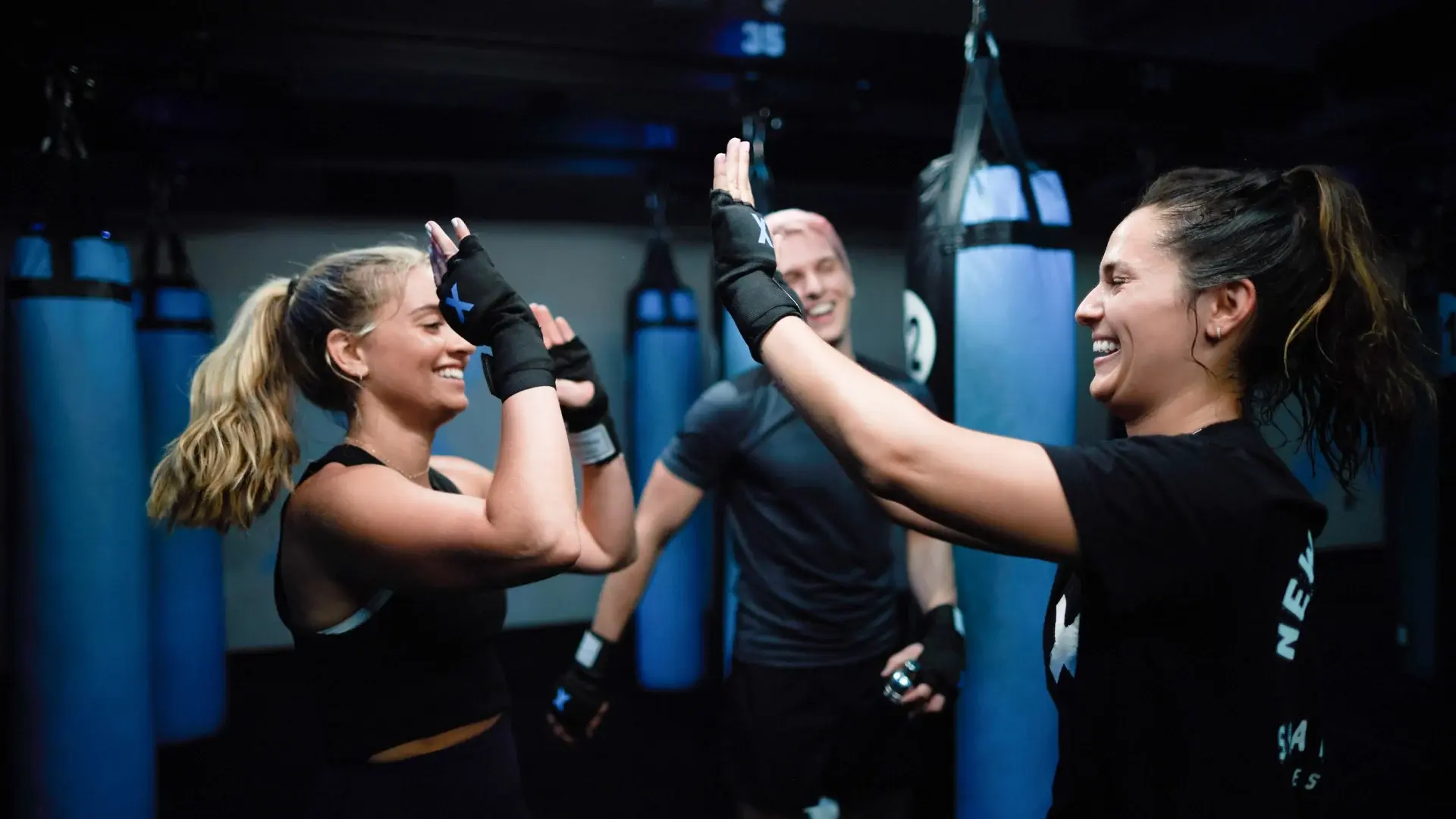
Offering a group fitness class on Wednesday is one of the most effective ways to build community while promoting physical health. Options range from beginner-friendly sessions to high-intensity formats.
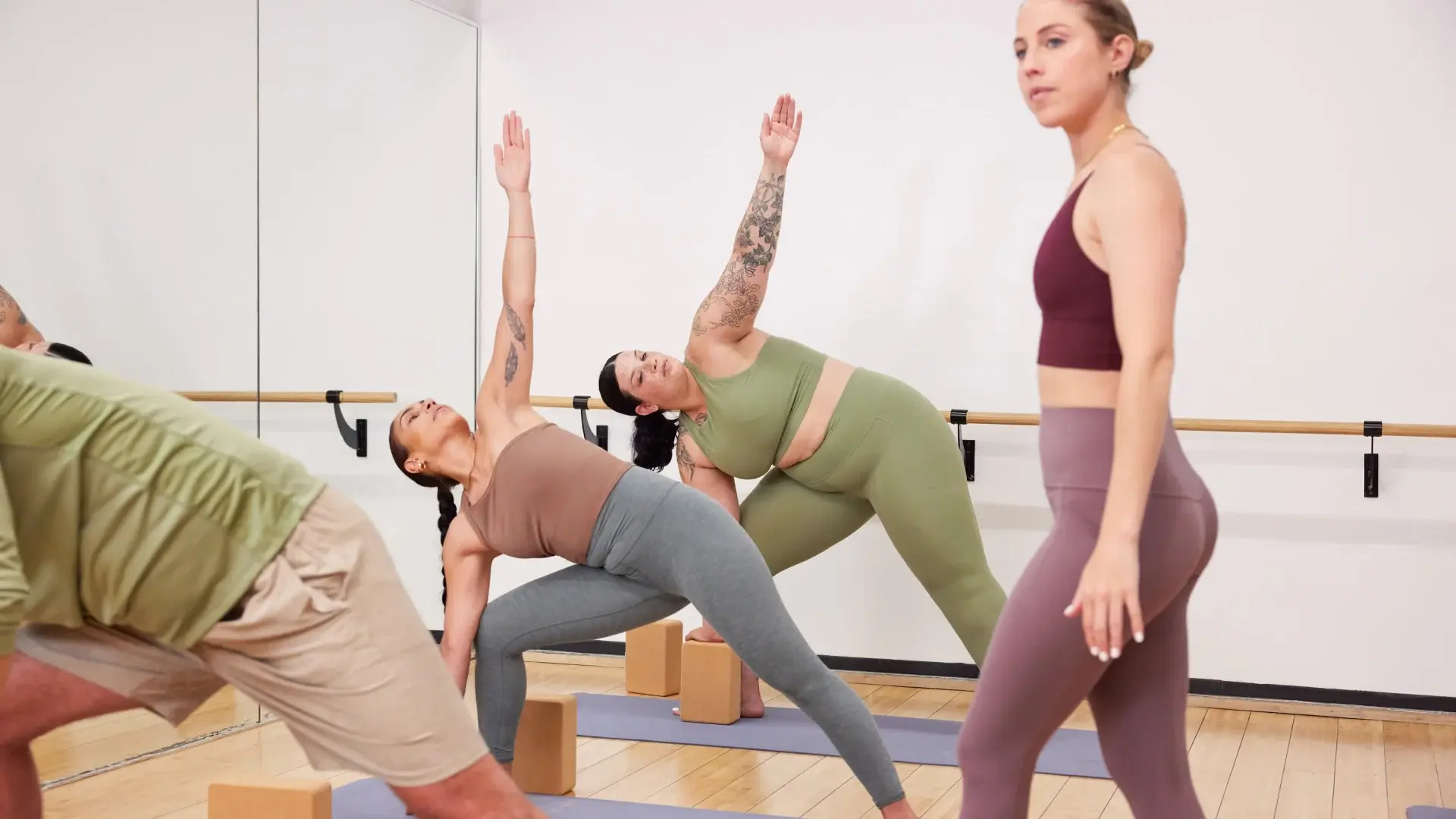
Consider rotating the format each week to keep things fresh. One Wednesday might feature a yoga flow, while the next offers a barre or Pilates session. This variety prevents burnout and accommodates different fitness levels and interests across the team.
For remote teams, live-streamed classes work surprisingly well. A facilitator leads the session over video while employees follow along from home offices, living rooms, or hotel gyms. The shared experience still builds camaraderie even through a screen.
Walking meetings and step challenges
Walking meetings are a zero-cost wellness intervention that also tends to improve creative thinking. Stanford research found that walking boosts creative output by an average of 60% compared to sitting. Encourage managers to default to walking meetings for one-on-one conversations every Wednesday.
Pair this with a weekly step challenge. Teams or individuals log their Wednesday steps and compare totals on a shared leaderboard. Keep the stakes light with small incentives like an extra 15 minutes of break time or a rotating trophy for the winning team.
Desk stretching and movement breaks
Not every employee wants or is able to join a full fitness class. Stretching breaks offer an inclusive alternative that requires no equipment, no change of clothes, and no commute to a gym.
A five-minute guided stretch session can be broadcast company-wide via Slack or Teams. Focus on areas that suffer from desk work: neck, shoulders, hip flexors, wrists, and lower back. Pair each session with a brief explanation of why the stretch matters. Employees are more likely to repeat movements when they understand the purpose.
Mental health and mindfulness activities
Mental health programming has moved from "nice to have" to "essential" in corporate wellness strategies. Employees consistently rank mental health support among their top three desired workplace benefits.
Guided meditation and breathwork
A 10-minute guided meditation session at midday can measurably reduce afternoon anxiety and improve concentration. Apps and platforms make it easy to deliver consistent, professional-quality sessions without hiring an in-house instructor.
Breathwork is particularly effective for employees who find traditional meditation difficult. Structured breathing exercises like box breathing (four counts in, four counts hold, four counts out, four counts hold) give the mind a concrete task, making the practice more accessible to beginners.
Rotate between different formats to maintain interest. One week might feature a body scan meditation, the next a visualization exercise, and the following week a breathwork-only session.
Journaling and gratitude prompts
Providing a weekly gratitude or reflection prompt gives employees a structured way to process their week so far. The practice takes only five to ten minutes and can be done privately at each person's desk.
Effective prompts for the workplace include questions like "What’s one accomplishment from this week that you're proud of?" or "Name one colleague who made your work easier this week and why." These prompts shift attention from stressors to positive experiences, which research in positive psychology links to improved resilience and job satisfaction.
Some companies collect anonymized responses and share highlights in a weekly digest, which reinforces a culture of appreciation without putting anyone on the spot.
Digital detox hours
Encouraging employees to step away from screens for a designated period on Wednesday afternoon can counteract the cognitive overload that accumulates from constant notifications, emails, and virtual meetings.
A digital detox doesn’t mean work stops. It means employees switch to analog tasks: brainstorming on a whiteboard, having face-to-face conversations, reading a printed report, or simply taking a quiet break. The goal is to give the brain's visual processing and attention systems time to recover.
Nutrition-focused Wellness Wednesday ideas
Nutrition programming bridges the gap between physical and mental wellness. What employees eat during the workday directly affects their energy, mood, and cognitive performance.
Healthy lunch-and-learns
Invite a registered dietitian or nutritionist to lead a monthly Wednesday session on topics like meal prepping for busy schedules, reading nutrition labels, or managing energy through balanced eating. Keep sessions to 30 minutes and provide practical takeaways that employees can implement that same day.
Popular topics include hydration strategies (most office workers are chronically under-hydrated), healthy snacking for sustained energy, and how to build a balanced plate without calorie counting.
Team cooking demonstrations
A live cooking demonstration, whether in-office or virtual, gives employees a shared experience and a new skill. Choose recipes that are simple, require minimal equipment, and can be adapted for different dietary preferences.
Virtual cooking sessions work particularly well for distributed teams. Send ingredients lists in advance, then cook together over video. The informal, hands-on nature of cooking naturally encourages conversation and bonding that is harder to achieve in standard meeting formats.
Hydration challenges
Dehydration is one of the most common and most overlooked causes of afternoon fatigue and headaches in office environments. A Wednesday hydration challenge prompts employees to track their water intake and aim for a daily target.
Gamify the challenge with team-based tracking. Provide branded water bottles at the start of the initiative to make participation easy and visible. Some companies install infused water stations with fruits and herbs on Wednesdays to make hydration more appealing.
Social connection and team-building activities
Wellness is not only about individual health. Social connection is a core component of employee wellbeing, and loneliness in the workplace is a growing concern, particularly for remote and hybrid teams.
Wednesday coffee roulette
Randomly pair employees for a 15-minute virtual or in-person coffee chat every Wednesday. The pairing crosses departments and seniority levels, creating connections that would not happen organically. Tools like Donut for Slack automate the matching process.
These micro-connections compound over time. Employees who have informal relationships across the organization report higher job satisfaction, feel more included, and are more likely to collaborate across teams on work projects.
Volunteer and community service
Organizing a monthly or biweekly Wednesday volunteer activity connects wellness to purpose. Options include packing meals for a food bank, writing letters to elderly community members, or participating in a park cleanup.
For remote teams, virtual volunteering options include tutoring, resume review for job seekers, and contributing to open-source community projects. The key is offering choice so employees can select causes that resonate personally.
Wellness show-and-tell
Invite employees to share their personal wellness practices in a brief, informal presentation. One person might share their morning stretching routine, another might talk about a self-care practice that helps manage stress, and a third might demonstrate a quick desk workout.
This format accomplishes two things. First, it provides fresh ideas that employees might adopt. Second, it normalizes talking about wellness in a professional setting, which reduces stigma around topics like mental health and stress management.
Creative and unconventional Wellness Wednesday ideas
Once the basics are established, introducing creative programming keeps participation high and signals that the organization takes wellness seriously enough to innovate.
Art and music therapy sessions
Creative expression activates different neural pathways than analytical work, providing a genuine cognitive break. A guided painting, drawing, or collage session on Wednesday afternoon doesn’t require artistic talent. The point is the process, not the product.
Music-based activities like drum circles, group sing-alongs, or curated listening sessions offer similar benefits. For remote teams, a shared playlist where each employee adds one song per week creates a low-effort, high-connection ritual.
Pet therapy and nature breaks
If office policies allow, inviting therapy animals for a Wednesday visit provides an immediate mood boost. Interacting with animals lowers cortisol and blood pressure within minutes, and the shared experience gives employees a natural conversation starter.
For workplaces without pet-friendly policies, a nature break achieves similar effects. Encourage employees to spend 15 minutes outdoors, whether that means walking around the block, sitting in a nearby park, or simply stepping onto a balcony. Exposure to natural light and greenery improves mood and resets circadian rhythms, which can improve sleep quality that night.
Learning and development wellness
Dedicate one Wednesday per month to personal growth outside of employees' job functions. Offer short workshops on topics like financial wellness, time management, public speaking, or creative writing. These sessions signal that the company values the whole person, not just the work output.
Financial wellness workshops are particularly impactful. Financial stress is one of the top drivers of employee anxiety, and it spills directly into workplace performance. Bringing in a financial planner to discuss budgeting, retirement planning, or debt management gives employees tools they can use immediately.
How to launch a Wellness Wednesday program
Starting a Wellness Wednesday initiative doesn’t require a large budget or a dedicated wellness team. The most successful programs start small, gather feedback, and iterate.
Start with a survey
Before planning any activities, ask employees what they actually want. A brief survey with five to seven questions about preferred activities, time preferences, and barriers to participation provides the data needed to design a program that people will actually use.
Common barriers include meeting conflicts, self-consciousness about participating in group activities, and skepticism that the company is genuinely invested in wellness rather than just performing it. Address each barrier explicitly in program design.
Set a consistent schedule
Choose a recurring time slot and protect it. A Wellness Wednesday program that gets bumped every other week for "more important" meetings will lose credibility quickly. Leadership should model participation by attending activities and blocking the time on their own calendars.
The best time slots tend to be late morning (11:00 AM to 12:00 PM) or early afternoon (1:00 PM to 2:00 PM), when the midweek energy dip is most pronounced. Avoid end-of-day slots, which compete with commuting and personal obligations.
Measure and communicate results
Track participation rates, employee satisfaction scores, and qualitative feedback. Share results monthly with the organization to demonstrate momentum and justify continued investment.
Metrics that resonate with leadership include participation trends over time, self-reported energy and productivity improvements, and any correlations with reduced absenteeism or improved engagement survey scores. Connecting wellness programming to business outcomes ensures the initiative retains executive support.
Scaling Wellness Wednesday for remote and hybrid teams
The shift to remote and hybrid work has not reduced the need for wellness programming. If anything, distributed teams need it more because they lack the incidental social interactions and environmental cues that office settings provide.
Asynchronous wellness activities
Not every activity needs to be synchronous. Asynchronous options allow employees across time zones to participate on their own schedule while still feeling connected to a shared initiative.
Examples include a Wednesday wellness challenge posted in a shared channel (such as "Take three photos of nature during your lunch break"), a curated article or podcast recommendation, or a fitness challenge with a weekly leaderboard.
Wellness stipends and flexible access
Providing employees with a monthly wellness stipend or access to a flexible wellness platform lets individuals choose the activities that matter most to them. One employee might use the benefit for a gym membership, another for therapy sessions, and a third for a meditation app.
This approach respects individual autonomy while still centering wellness as a company value. It also solves the logistical challenge of serving diverse preferences, locations, and schedules with a single program.
Virtual wellness rooms
Create a persistent virtual space, such as a dedicated video channel or Slack room, where employees can drop in for informal wellness activities on Wednesdays. Think of it as a digital lounge where someone might be leading a stretch, another person is sharing a recipe, and a third is just there for quiet company.
The low-pressure, opt-in nature of a virtual wellness room lowers the participation barrier and creates organic moments of connection that remote teams often miss.
Common mistakes to avoid
Even well-intentioned Wellness Wednesday programs can fall flat if they repeat a few common errors.
Making participation feel mandatory
Wellness programming should always be voluntary. The moment employees feel pressured to attend, the initiative becomes another obligation rather than a genuine benefit. Use opt-in language, celebrate participation without shaming absence, and offer multiple ways to engage so that quieter employees can still benefit.
Ignoring accessibility
Every activity should have an accessible alternative. If the main event is a group run, offer a seated stretching session or a walking option. If the activity is in-person, provide a virtual equivalent. Inclusive design is not an afterthought. It is a requirement for any program that claims to support employee wellbeing.
Failing to evolve
A program that offers the same activity every Wednesday for six months will see declining participation. Build in variety by rotating themes monthly, incorporating employee suggestions, and occasionally surprising teams with something unexpected like a guest speaker, a wellness gift, or an early-release Wednesday.
Gathering regular feedback and acting on it demonstrates that the organization listens to its people. That responsiveness, more than any single activity, is what makes a wellness program feel authentic and worth engaging with.
Turn midweek wellness into lasting momentum
The best Wellness Wednesday programs are the ones employees can actually fit into their day and look forward to week after week. By starting small, offering a mix of activities, and giving employees flexible ways to participate, organizations can create a wellness routine that supports healthier habits, stronger engagement, and a more connected workplace.
For companies looking to make Wellness Wednesday even easier to implement and scale, the ClassPass Corporate Wellness Program gives employees convenient and flexible access to a wide range of fitness and wellness experiences—from gym time and yoga to meditation, recovery, and self-care options. It’s a simple way to support different interests, schedules, and work styles while aligning with broader employee wellness initiatives. Discover how ClassPass helps employees access fitness and wellness experiences they’ll actually take advantage of.