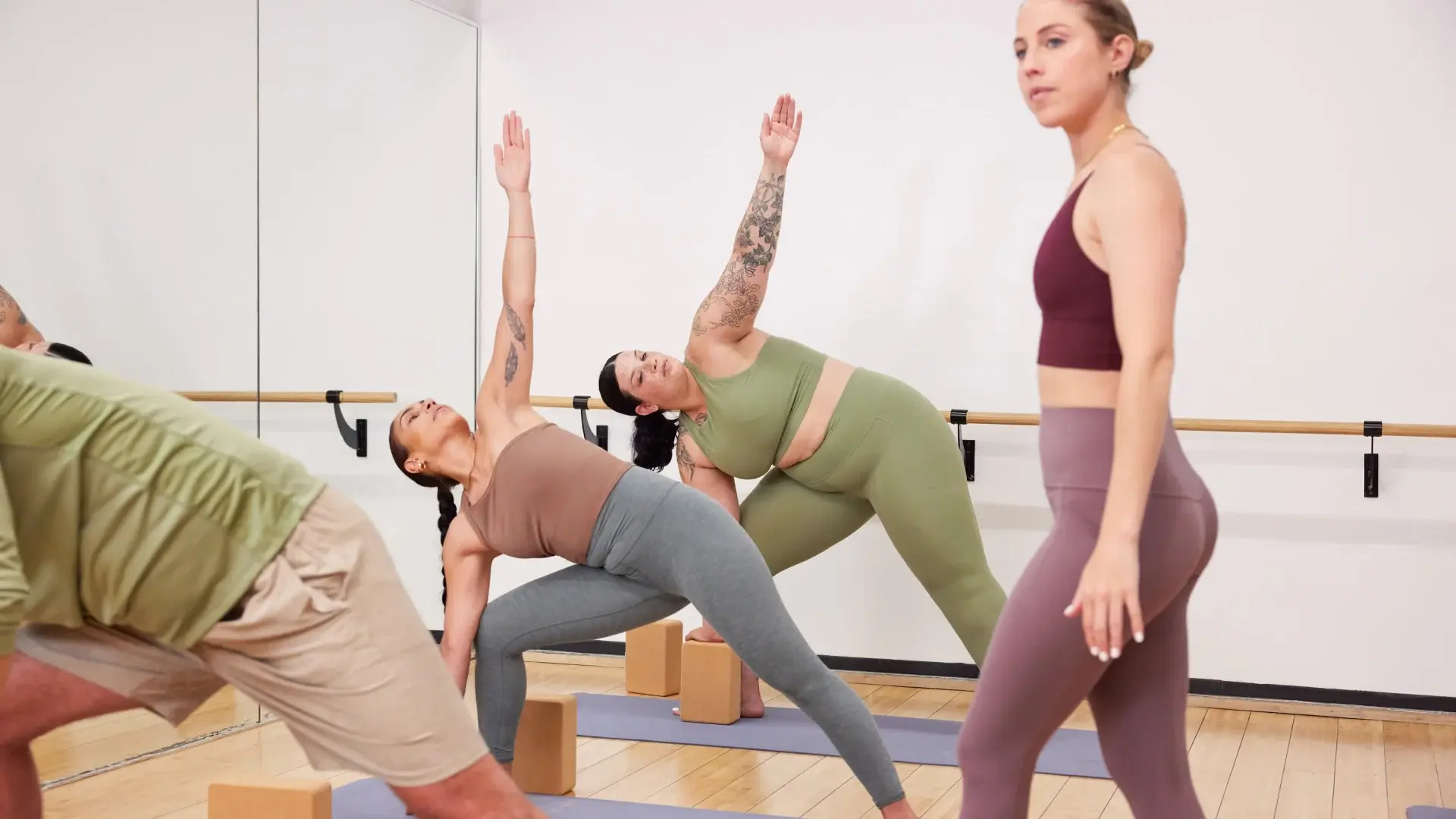
Corporate health programs are integrative workplace initiatives that cover physical fitness, mental health support, nutrition guidance, stress management, and work-life balance support. It drives measurable business outcomes: higher productivity, stronger retention, deeper employee engagement, and reduced absenteeism.
Employees with comprehensive wellness support report significantly higher job satisfaction and loyalty. They take fewer sick days and contribute more meaningfully to team goals. For employers, this means lower recruiting costs (replacing an employee can cost 50-200% of annual salary), reduced healthcare claims, and improved organizational performance. Engaged employees are more innovative, more collaborative, and more likely to remain through economic cycles.
From a business perspective, a corporate health program is a strategic investment in organizational performance, not an optional employee perk. Leaders who measure wellness through business impact see clear ROI: lower turnover, higher productivity, and reduced healthcare expenses. Companies winning the talent war demonstrate genuine commitment to employee wellbeing as a core, non-negotiable part of positive company culture.
The cost of ignoring workplace wellbeing
Untreated workforce wellness challenges create three hidden cost categories: direct healthcare costs, productivity losses, and turnover expenses.
Burnout degrades productivity long before employees leave. Presenteeism, the practice of showing up physically but performing at reduced capacity due to illness or mental exhaustion, costs employers far more than absenteeism. Employees dealing with untreated stress, illness, or mental health challenges are less creative, make more mistakes, and disengage from their work.
Untreated wellness gaps directly drive turnover. An employee leaving due to burnout or insufficient work-life balance takes their skills, relationships, and institutional knowledge. Replacing that employee incurs recruiting costs, team disruption, knowledge transfer delays, and leadership time spent hiring. Reactive healthcare adds another cost dimension: treating health crises costs more than preventing them and creates longer recovery periods.
Recruitment becomes harder without demonstrated wellness commitment. Younger workers especially expect employers to invest in whole-person wellbeing. Organizations known for burnout and disengagement lose candidates to competitors offering genuine wellness support. Ignoring workplace wellbeing is ultimately a luxury that competitive organizations cannot afford.
Understanding the components of comprehensive corporate health
Comprehensive corporate health builds on four core pillars, each addressing distinct employee needs and contributing to overall organizational performance. Let's explore each component and how they work together to create holistic wellness support.
Physical wellness in the workplace
Physical wellness is a corporate health benefit type addressing fitness, nutrition, ergonomics, preventive healthcare, and movement integration throughout the workday. Effective physical wellness recognizes that employees have vastly different fitness levels, interests, and schedule constraints.
Some employees are experienced exercisers seeking challenging programs. Others have never exercised and feel intimidated by fitness environments. Comprehensive physical wellness programs address this diversity by offering multiple activity types (strength training, yoga, swimming, running, dance), multiple time slots (early morning, midday, evening, weekend), and both in-person and virtual options. When employees choose activities they actually enjoy, adherence dramatically increases.
Sedentary work culture presents a specific challenge. Employees in desk jobs face eight or more hours of daily sitting, increasing risk of cardiovascular disease, metabolic syndrome, and musculoskeletal disorders. Effective physical wellness programs normalize movement throughout the day, not just after hours. This includes standing desks, walking meetings, on-site fitness classes, movement breaks, and encouragement to use wellness time during the workday.
A misconception about physical wellness is that it requires expensive gym memberships or on-site fitness centers. Effective programs include low-cost options like group fitness classes, outdoor walking groups, stretching and wellness apps, and virtual fitness instruction. The most important factor is removing barriers to participation, not the cost level.
Mental and emotional wellbeing programs
Mental and emotional wellbeing is a distinct corporate health component addressing stress management, counseling access, mindfulness training, resilience coaching, and crisis support. While physical fitness improves certain health markers, it doesn't address anxiety, depression, grief, relationship stress, or identity-related challenges that many employees face.
Normalized mental health benefits reduce stigma and encourage early intervention, when support is most effective. When leaders openly discuss mental health and use wellness resources themselves, seeking support is signaled as normal and encouraged, not as weakness. Mindfulness and resilience programs build preventive capacity, helping employees develop coping skills before crises occur.
Employee Assistance Programs (EAPs), confidential counseling access, peer support groups, mental health days, and clear resource communication form the foundation of corporate mental health. The goal is making mental health support as accessible and normalized as visiting a doctor for a physical.
A common misconception is that mental health support during work hours represents productivity loss. In reality, untreated mental health challenges cause far greater productivity losses than time spent addressing them. An employee receiving counseling and learning stress management returns to work more focused, creative, and stable than one suffering untreated mental health challenges.
Work-life balance and flexibility initiatives
Work-life balance and flexibility are corporate health components addressing how, when, and where work happens. This includes flexible scheduling, remote work options, generous time-off policies, and clear expectations around off-hours communication. When employees feel that excellent work is possible without sacrificing personal health, family time, or other priorities, they're more likely to stay and perform at their best.
Organizational flexibility reduces burnout and increases engagement. Parents can attend school events. Employees recovering from illness can work from home. Someone pursuing fitness goals can attend a midday class without guilt. Organizations viewing flexibility as non-negotiable, rather than as a negotiated favor, build stronger loyalty and retain talent across life stages.
Wellness benefits are only truly accessible when schedules allow time to use them. Comprehensive corporate health programs integrate wellness benefits with supportive scheduling and explicit organizational permission to prioritize personal wellbeing. Without schedule flexibility, wellness programs become theoretical benefits that employees cannot actually access.
Addressing diverse wellness needs across your workforce
Every organization has a diverse workforce with different needs, abilities, schedules, and preferences. Effective corporate health programs recognize this reality and build inclusive systems that work for everyone.
Inclusivity in wellness program design
Inclusive wellness program design ensures all employees, regardless of demographics, fitness level, ability, or life circumstance, have genuine access to wellness support. Your workforce includes employees at different life stages (new parents, caregivers for aging parents, pursuing educational goals), different ability levels (ranging from elite athletes to those with disabilities or chronic health conditions), different schedules (early shifts, late shifts, remote across time zones), and different preferences (some prefer group activities, others prefer private options).
An inclusive program creates multiple pathways for engagement. Some employees are elite athletes. Others have never exercised and feel intimidated by fitness environments. Some have disabilities or chronic health conditions. Some work early shifts with late-afternoon childcare needs. Some work remotely from different time zones. Some are managing caregiving alongside work. An effective corporate health program acknowledges this diversity and creates space for all realities.
Accessibility is essential. Remote employees need virtual wellness options with quality equivalent to in-person offerings. Shift workers need off-hours access. Employees in multiple offices need programs functioning seamlessly across locations. Parents need short, flexible activities fitting into their schedules. Lower-income employees should never face financial barriers to wellness benefits. Unified platforms offering diverse activities with flexible access support equity in benefit distribution.
Removing barriers to participation
Barriers to wellness participation fall into five categories: time constraints, lack of confidence, complexity, cost concerns, and geographic or schedule limitations.
Time is the critical barrier. Employees already working long hours or managing caregiving responsibilities feel time-squeezed. Programs requiring travel time, complex enrollment, or large time commitments experience low adoption. Virtual options, short-format activities (20-minute online classes), and schedule integration dramatically increase participation.
Confidence barriers prevent engagement. New employees might feel intimidated by in-person classes. Someone returning after years away needs encouraging entry points. Employees with health conditions need safe guidance. Programs offering beginner-friendly options, virtual trials participants can try from home, and clear expectation-setting reduce anxiety and increase signup rates.
Cost and access barriers disappear when programs use unified credit systems or all-inclusive pricing. Employees shouldn't choose between activities because of separate costs. Unified platforms bundling diverse activities under one pricing structure reduce decision paralysis and expand participation. Simplified enrollment matters tremendously: if signup requires navigating complex portals or contacting HR, participation suffers.
A misconception is that expensive programs guarantee engagement. The opposite is often true: programs with high barriers (cost, complexity, time requirements, location constraints) have lower adoption despite higher spending. Effective programs remove barriers through simplicity, flexibility, and unified access.
Implementation strategies for sustainable wellness programs
Moving from vision to reality requires practical implementation strategies that anchor wellness programs in measurable outcomes and sustainable operations. Here are the key pillars of successful program rollout.
Sustainable wellness programs begin with clear, measurable goals defining success. Common metrics include participation rates (what percentage of employees use the program), engagement frequency (how often users participate), health improvements (measured through screening data or employee reports), and business impacts (retention, absenteeism, healthcare costs).
Baseline data is essential. Before launching, measure current employee health status, wellness interests, existing program participation, and available engagement and retention metrics. Baseline data allows you to track change over time and identify whether your program is generating impact.
Track meaningful outcomes. Participation rate indicates reach. Frequency and consistency indicate engagement depth. Health improvements can be measured through health screenings, biometric data, or employee-reported metrics. Retention and engagement can be assessed through employee surveys and turnover data. Cultural shifts can be measured through pulse surveys asking whether employees feel supported and whether wellness is part of organizational identity.
Sustainability requires continuous investment, communication, program iteration, and leadership visibility. A program exciting for three months then neglected will see engagement collapse. Sustainable programs are continuously refreshed with new activities, seasonal offerings, and responsiveness to feedback.
A misconception is that wellness programs are one-time projects. In reality, they require sustained investment and ongoing evolution to maintain engagement beyond initial enthusiasm.
Building a culture of wellness from the top down
Leadership buy-in is the foundation of cultural wellness. If executives talk about wellness but don't use programs themselves, employees notice. When the CEO participates in fitness classes, uses mental health resources, or takes real vacations, it signals that wellness is genuinely prioritized. Leaders who model healthy work-hour boundaries and discuss managing stress or seeking counseling create psychological safety for others to do the same.
Cultural messaging integration is essential. Wellness must be embedded in company values, decision-making, and how success is defined. If the culture still glorifies overwork and always-on availability, even excellent programs feel performative. Companies genuinely valuing wellness make it a hiring criterion, include it in performance reviews, and make wellness-supporting decisions like flexible schedules and reasonable workloads.
Wellness becomes self-reinforcing when it's part of organizational identity. New hires learn during onboarding that wellness is expected and supported. Teams compete in wellness challenges. Managers address work-life balance in one-on-ones. Wellness-related decisions become normalized and expected behaviors.
Technology and systems for program management
Centralized wellness platforms simplify program administration and improve employee experience. Employees need a single place to discover activities, check availability, register for classes, and track participation. Separate apps for fitness, mental health, nutrition coaching, and wellness challenges create friction and reduce engagement.
Data collection and reporting allow programs to evolve effectively. How many employees are using the program? Which activities have the highest engagement? Are demographic groups represented equally across activities? Are participation rates increasing or declining? Are retention metrics improving? This data guides program investment and helps justify continued budget allocation.
Unified credit systems simplify the employee experience and administration. Instead of managing separate budgets for fitness, mental health, nutrition, and coaching, unified systems let employees allocate benefits according to their needs. Someone might spend most credits on fitness classes but also access counseling. Another employee might focus on mental health and nutrition coaching. This flexibility drives higher engagement than prescriptive programs forcing specific benefit combinations.
Automated enrollment, reminder systems, and calendar integration make participation frictionless. Complex signup processes reduce engagement. Helpful reminders and calendar integration increase participation.
Common misconceptions about corporate wellness
Several myths persist about what corporate wellness entails, how much it costs, and what makes programs effective. Let's address the most common misconceptions and what research actually shows.
Wellness is only about fitness
A widely held misconception: corporate wellness equals gym memberships or fitness classes. In reality, comprehensive corporate health encompasses physical, mental, emotional, social, and financial wellness dimensions.
Fitness-only programs might improve cardiovascular health but won't address anxiety, grief, relationship stress, financial anxiety, or social isolation. An employee exercising regularly but chronically stressed, isolated, or overworked won't achieve true wellness. Conversely, an employee with mental health counseling, supportive scheduling, and meaningful work relationships might thrive without intensive fitness routines.
True corporate health programs address the whole person. They recognize that mental health, work-life balance, social connection, and financial security all impact employee wellbeing and organizational performance. Programs offering only fitness see lower adoption rates and less impact on retention and engagement than holistic programs.
Wellness programs require large budgets
Another misconception: meaningful wellness programs require massive investments only large corporations can afford. In reality, meaningful programs require strategic investment but the investment level scales with organization size.
A small company might invest in subsidized fitness classes, EAP access, and mental health resources. A mid-size company might add nutrition coaching, onsite wellness screenings, and flexible scheduling. Large corporations can invest in comprehensive platforms and extensive programming. Strategic investment matters more than absolute spending levels.
ROI calculation demonstrates that wellness spending is an investment, not a cost. For every dollar spent on comprehensive programs, most organizations see returns through reduced healthcare costs, lower absenteeism, improved productivity, and reduced turnover. Payback periods are typically one to three years.
Scalable options exist for all sizes. Small companies can use low-cost mental health apps, partner with local fitness studios for group discounts, and implement flexible scheduling without large expenses. Mid-size companies can invest in centralized platforms serving hundreds of employees without proportional cost increases. Structure matters more than absolute spending.
The role of choice and flexibility in program success
Employee choice and organizational flexibility are among the most powerful drivers of wellness program adoption and impact. Programs that restrict options or create inflexible requirements struggle with engagement, while flexible programs flourish.
Why one-size-fits-all programs fail
One-size-fits-all wellness programs fail because employees have fundamentally different preferences, constraints, and wellness needs. Someone loving group fitness classes might feel miserable in silent meditation groups, while a parent with young children needs evening activities. Programs offering only one activity type, schedule, or format inevitably exclude large workforce segments.
Effective wellness programs are diverse and allow for genuine choice and personalization. Employees select activities that appeal to them, not activities they feel obligated to do. This authenticity drives higher engagement, longer participation, and greater behavior change impact. When employees feel programs were designed with them in mind, they embrace them.
Supporting work-life balance through wellness flexibility
Wellness benefits are only truly accessible when employees have time to use them and explicit organizational permission to prioritize them. Comprehensive programs include timing flexibility (early morning, midday, evening, weekend options), location flexibility (in-person and virtual), and activity type flexibility. This flexibility communicates genuine wellness support.
Participation without productivity guilt is critical. If employees worry that midday fitness signals lack of commitment, they won't participate. If flexible work is theoretical rather than genuinely supported, employees won't use benefits. Genuine flexibility means wellness participation is normalized and expected, not something requiring special permission.
Integration with work-life balance policies amplifies impact. A wellness program paired with reasonable work hours, generous time off, and personal boundary respect is powerful. That same program without supportive scheduling is incomplete. Employees need both resources to be well and the actual time and freedom to use those resources.
Overcoming challenges in corporate wellness rollout
Even well-designed corporate health programs face real obstacles during rollout and implementation. The most significant challenge is earning employee trust and maintaining momentum over time.
Getting buy-in from skeptical employees
Many employees approach corporate wellness skeptically, viewing programs as performative efforts designed to benefit the company without genuinely supporting employee health. This skepticism comes from experience: programs launching with fanfare then receiving no support, programs designed around corporate convenience rather than employee needs, or programs feeling like behavior management rather than genuine support.
Overcoming skepticism requires authentic, employee-centered design. Programs should be informed by employee surveys about what would actually help. Employees should have input on which activities, services, and support options are included. Pilot programs should be iteratively improved based on feedback. When employees see their input is genuinely heard and incorporated, skepticism transforms into engagement.
Peer advocacy is powerful. Colleagues sharing how programs actually helped them build credibility. Testimonials from initially skeptical employees carry more weight than marketing messaging. Transparent communication about how programs were designed, resource levels, and genuine commitment levels build trust.
Sustaining momentum beyond the launch
Most wellness programs see initial interest surges followed by sharp engagement drops after three to six months. This pattern reflects the challenge of sustaining behavioral change over time.
Sustained engagement requires continuous reinforcement and iteration. Regular communication keeps wellness top-of-mind. New activities prevent boredom and appeal to employees who didn't engage with initial offerings. Feedback loops allow programs to evolve based on what's working. Leadership visibility, like executives participating in challenges or sharing wellness journeys, reinforces sustained commitment.
Recognition and community building drive engagement. People sustain wellness when they're part of communities, when efforts are acknowledged, and when they see progress. Challenges, community groups, and milestone celebrations create social engagement alongside benefits.
Importantly, sustainability requires protecting programs from budget cuts during downturns. Organizations understanding ROI and retention importance protect wellness in budgets. Programs treated as discretionary get eliminated when money tightens.
The future of corporate health
The corporate wellness landscape is evolving rapidly as work locations change, technology advances, and employee expectations shift. Understanding emerging trends helps organizations stay ahead and build sustainable advantage.
Emerging trends in workplace wellness
The future of corporate wellness is shaped by changes in work location and nature. Hybrid and remote work require seamless virtual wellness programs. Virtual fitness classes, online mental health counseling, and digital health coaching have become essential. Forward-thinking programs treat virtual and in-person options as equally valuable.
Personalization powered by health data is reshaping wellness. Instead of offering everyone the same activities, advanced programs use health assessment data, preferences, goals, and usage patterns to recommend personalized wellness paths. This might include personalized nutrition guidance for someone with prediabetes, customized fitness programming for someone returning after injury, or targeted stress management for someone with anxiety.
Mental health is increasingly recognized as equally important as physical fitness, shifting wellness away from fitness-centric models toward whole-person integration. Programs integrating mental health, financial wellness, social connection, and physical health are becoming standard. The division between "wellness" and "health benefits" is blurring.
Building a sustainable competitive advantage
In competitive talent markets, corporate health programs are significant differentiators. High-quality programs signal genuine employee value and investment in success. This matters tremendously for recruitment, especially among younger workers expecting holistic wellness support.
Sophisticated companies integrate wellness into employer brand and talent strategy. Wellness is highlighted in recruiting materials, included in onboarding, and embedded in company culture and decision-making. This consistency builds strong employer brands that attract talent and reduce turnover.
Long-term organizational health depends on employee wellbeing. Organizations where employees are burned out, isolated, or dealing with untreated health challenges become fragile, losing institutional knowledge when talented people leave and struggling to attract talent. Organizations prioritizing corporate health build resilience, stability, and competitive advantage that compounds over time.
Companies winning in the future recognize corporate health not as a benefit or perk, but as a strategic foundation for organizational excellence.
Creating a culture where wellness thrives
The evidence is overwhelming. Corporate health programs that are inclusive, flexible, well-supported, and culturally integrated drive measurable improvements in employee engagement, retention, and organizational performance. The organizations winning the talent war are those that move beyond viewing wellness as an optional perk to embedding it as a core operational value.
Your next step is to assess your current wellness landscape by asking:
- What gaps exist between your employees' needs and your current offerings?
- Where is skepticism highest, and what would rebuild trust?
- What barriers prevent participation, and how can you remove them?
A candid evaluation combined with genuine employee input creates the foundation for programs that resonate rather than programs that feel performative.
A flexible, unified platform can simplify this transformation. Employees benefit from discovering and accessing diverse wellness activities in one place, whether they're seeking fitness classes, mental health counseling, nutrition coaching, or stress management support. Organizations benefit from unified data showing which programs drive engagement and business impact. Learn more about the ClassPass Corporate Wellness Program to see how a comprehensive wellness platform can support your employees' whole-person health and your organization's competitive advantage.